





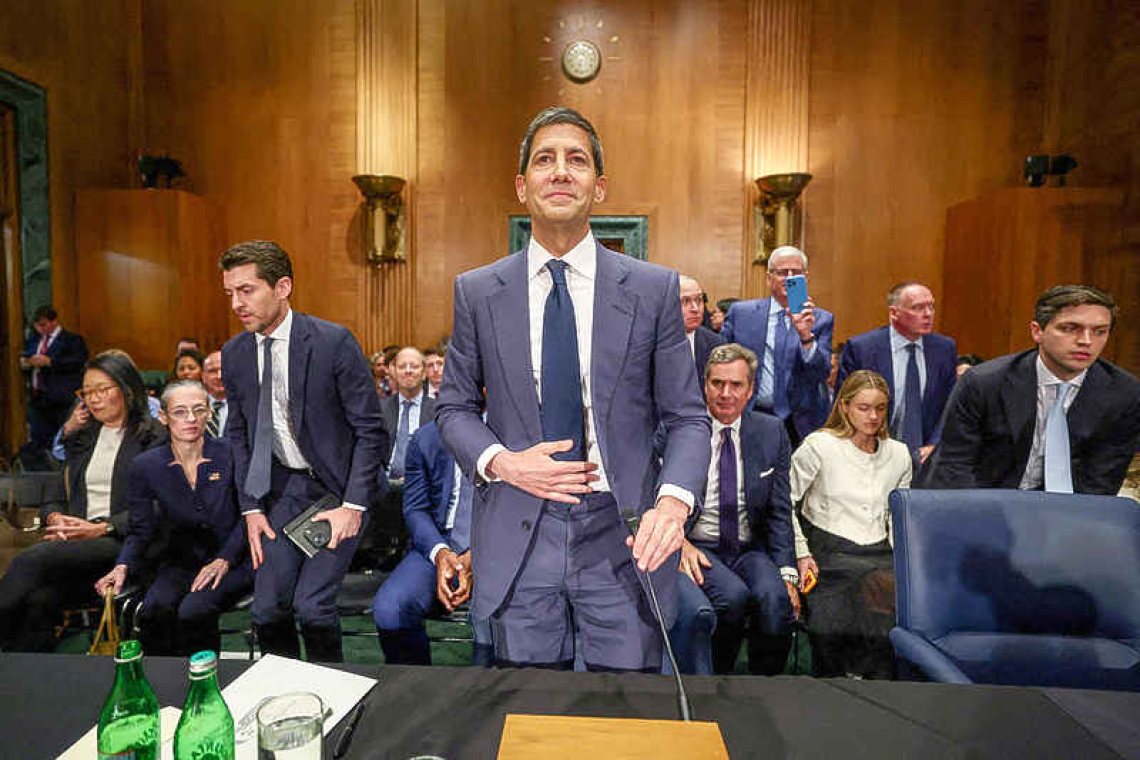
FRANKFURT--Incoming Federal Reserve Chair Kevin Warsh's suggestion that independence may not extend fully to the Fed's crisis-fighting role abroad has unsettled central banking peers, who fear any reduction in its global footprint could risk market stability.
With the dollar by far the world's most used currency, the U.S. central bank plays a pivotal role in stabilising financial markets during periods of stress. It has expanded its crisis-fighting tools over time to keep funding flowing.
But Warsh - U.S. President Donald Trump's pick for the job - raised eyebrows by suggesting that outside monetary policy, including in international finance, the Fed needs to work closely with the presidential administration and Congress. Warsh told his confirmation hearing that independence in setting interest rates did not fully extend to the Fed's broader operations, prompting some to question whether it would remain fast and decisive when the next crisis hits.
Warsh is expected to be sworn in on Friday by Trump. The Fed board said last Friday it had named Jerome Powell as chair pro tempore.
On- and off-the-record comments from more than half a dozen policymakers indicate they are attentive to Warsh's remarks and await clarification. But they anticipate no big policy change for now, if only because Fed liquidity facilities ultimately protect the U.S. economy as much as those of global partners.
A less reliable Fed would encourage countries to keep moving away from the dollar, extending and probably accelerating a 15-year fall in the greenback's global market share, they said.There is little central banks can do in the short term if the Fed curbs access to dollars, however, and even the suggestion that liquidity lines may not be readily available could generate market turbulence.
"It's a double-edged sword," said one European Central Bank policymaker, who declined to be named. "The world relies on the dollar and if the dollar is not readily available, everybody pays a price - the U.S. included."
The Fed currently provides dollars on demand to the ECB and the central banks of Canada, Japan, Britain and Switzerland, against collateral, via standing liquidity tools. Other central banks can also access dollars through a more onerous facility.The justification for that backstop is that commercial banks overseas sit on trillions of dollars worth of U.S. Treasury bonds, and that market stress could force them to sell quickly to access cash, importing turbulence to the United States.
Inserting politics into the provision of dollars would not be new. The Trump administration gave Argentina a $20 billion liquidity line ahead of elections last year, and Gulf and Asian nations recently requested liquidity lines to help deal with energy shocks and the fallout from the Iran war. South Korean President Lee Jae Myung reportedly raised the issue during a meeting with U.S. Treasury Secretary Scott Bessent this month.