





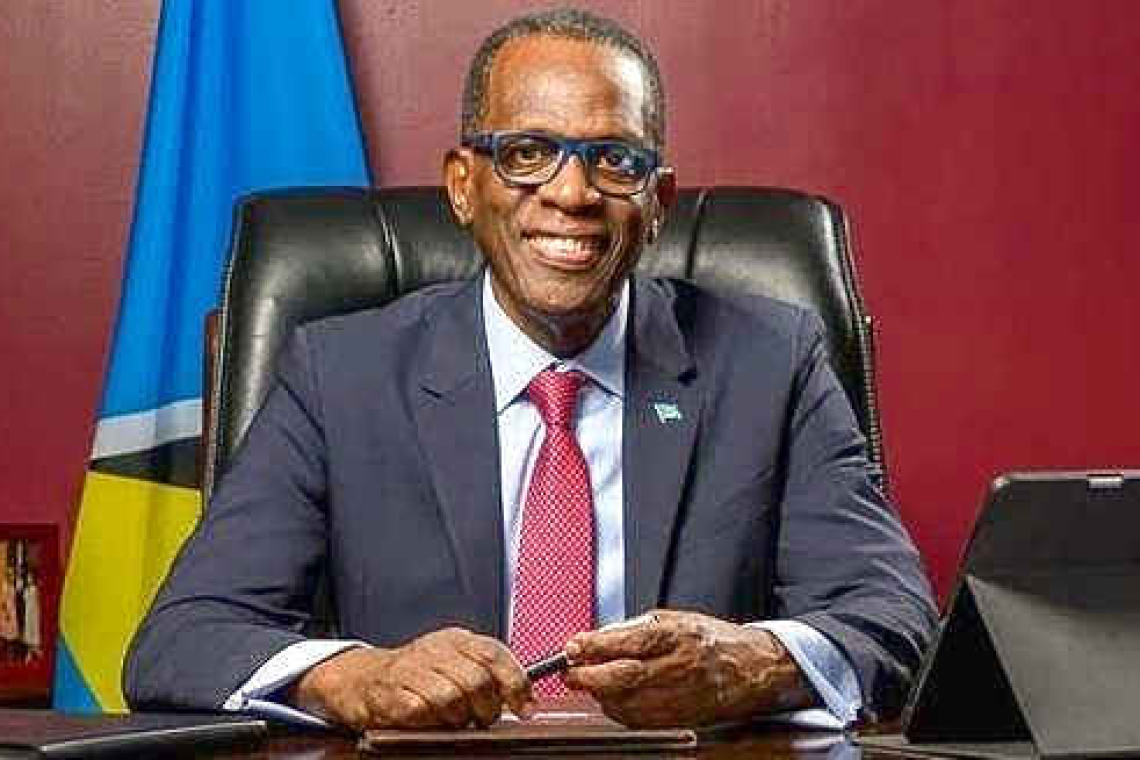
PM Philip J. Pierre.
ST. JOHN’S, Antigua--The political leadership of the Caribbean Community (CARICOM) officially rotated on July 1, 2026, as Saint Lucian Prime Minister Philip J. Pierre assumed the role of Chairman of the regional body.
In a comprehensive inaugural address marking the transition of leadership, Pierre pledged to fundamentally reorient the strategic focus of the 15-member regional bloc, vowing to bring the high-level decision-making processes of the CARICOM Secretariat directly into the daily lives of ordinary Caribbean citizens.
Pierre's assumption of the chair comes at a critical juncture for the region, which is currently navigating complex economic recoveries, heightened climate vulnerability, and mounting pressure to reform regional governance structures.
Addressing heads of government and regional delegates, the incoming Chairman emphasised that the true success of Caribbean integration cannot be measured solely by diplomatic accords or bureaucratic milestones achieved in isolation.
Instead, he argued that the core metric of success must be the tangible, socio-economic advancement of the people across the archipelago. "At the absolute heart of this collective work must be our people," Prime Minister Pierre declared in his formal statement. "Every single Caribbean citizen must feel the practical benefits of our integration movement, whether through increased ease of intra-regional travel, enhanced food security protocols, or expanded economic opportunities across our shared borders."
A key focus of Pierre’s upcoming six-month tenure will be addressing longstanding deficiencies within the regional framework. His statements aligned with growing calls from prominent regional analysts, including Professor Hamid Ghany, who recently asserted that CARICOM must actively "clean up its act" regarding the implementation of its own mandates.
Pierre indicated that his administration would prioritize accelerating the long-delayed protocols of the CARICOM Single Market and Economy (CSME), ensuring that skilled workers, artisans, and business owners can move and operate seamlessly between sister islands without encountering restrictive bureaucratic bottlenecks.
Additionally, the new Chairman announced that CARICOM would intensify its collective diplomatic advocacy on the global stage. Top priorities include functional resource mobilisation for climate resilience and securing specialised funding streams to combat the escalating security challenges affecting regional maritime borders.
With the support of host nation Antigua and Barbuda, Pierre also confirmed that the bloc will strengthen its coordinated public health frameworks to support neighbouring territories currently recovering from major external shocks, emphasising that regional unity remains the Caribbean's strongest asset in an increasingly volatile global environment.