





ZAWTAR AL-GHARBIYEH, Lebanon--A U.S.-brokered plan for Israel to withdraw gradually from occupied areas of southern Lebanon in exchange for the disarmament of the Iranian-backed Hezbollah militia is off to a painfully slow start.
To the U.S., the "pilot zone programme" is the centrepiece of a June 26 framework deal intended to end the war between Israel and Hezbollah, and establish peaceful ties between Israel and Lebanon. But Hezbollah itself still refuses to give up its weapons. And on the ground, the rollout of the first zone in the south Lebanese village of Zawtar al-Gharbiyeh last week offered a glimpse of a strained and complex process that will be no easier to repeat elsewhere.
A senior Lebanese military official, who requested anonymity in order to speak freely, said it had taken weeks of U.S.-brokered negotiations with Israel and days of military operations to establish the first zone in a single village. The agreement links Israel's progressive withdrawal to the "verified disarmament" of Hezbollah — which is not a party to the deal, has refused to give up its arsenal, and has raised the prospect of internal strife if the state tries to disarm it by force.
With such operational and political challenges ahead, the Lebanese military official and two foreign security officials said they expected it to take more than a year to secure Israel's full withdrawal from Lebanon.
Two days after the U.S. and Israel attacked Iran on February 28, Hezbollah pulled Lebanon into the war by firing at Israel. Israeli forces responded with aerial bombardments reaching as far as Beirut, and by seizing a strip of land extending about 10 km (6 miles) deep into southern Lebanon.
Even after a ceasefire last month, Israeli troops remained in the zone, razing villages and ordering residents who had fled not to return. The U.S. began mediating talks between Lebanon and Israel in mid-April, and setting out the pilot zone programme in early June.
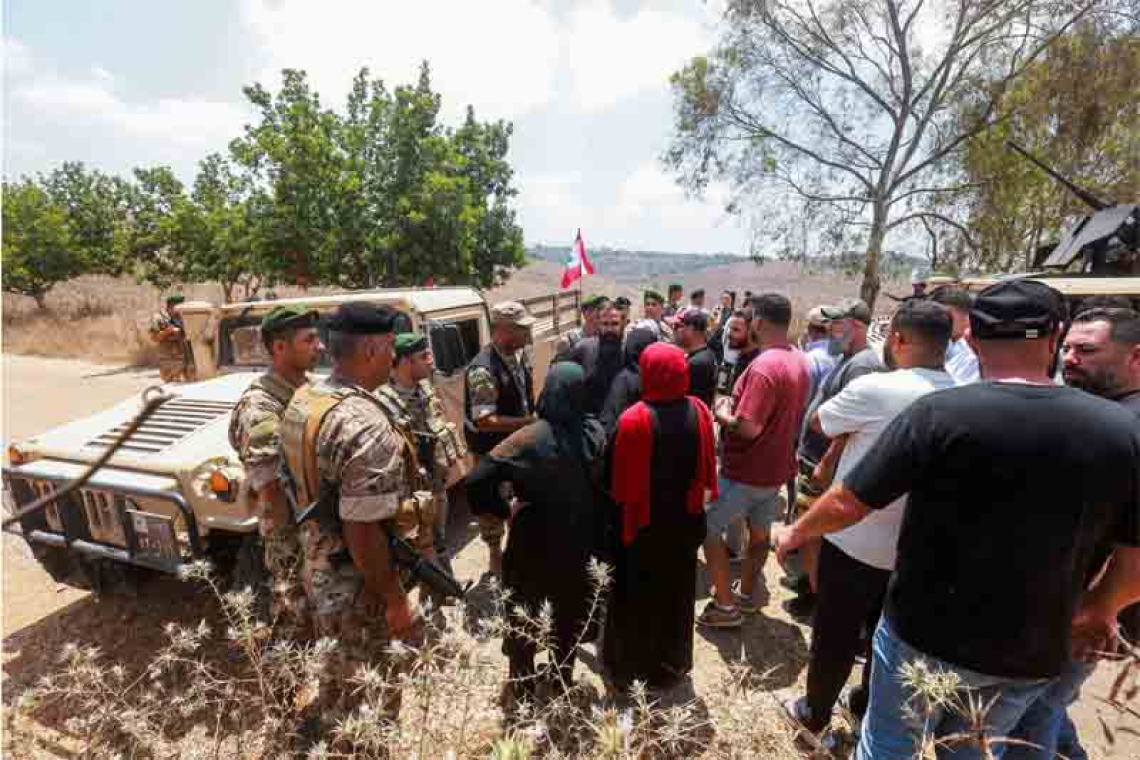
More than six weeks later, Lebanese soldiers deployed to Zawtar al-Gharbiyeh to implement the first zone after Israeli forces pulled back. Within hours, Israeli units still stationed hundreds of metres away in an adjacent village accused Lebanese troops of deploying too close, and fired warning shots to keep them back.
An Israeli military official said troops were adjusting their "force posture" in the first pilot zone, without saying whether those who had withdrawn from Zawtar al-Gharbiyeh had left Lebanon altogether or redeployed to other parts of the south. The Lebanese troops spent two days clearing rubble and accompanying paramedics into the village to recover the bodies of Hezbollah fighters. On July 24, they finally allowed displaced residents to return, in carefully managed convoys. Most homes were too badly damaged from bombing for anyone to stay.
Mayor Abed Ezzedin told Reuters around half of Zawtar al-Gharbiyeh was in ruins, and reconstruction seemed far away. "What kind of pilot zone are we talking about? And what kind of security and safety? There are still 70 or 80 occupied villages," he said.
"If they (Israeli troops) are going to withdraw from one village while remaining on the edge of the next -- we can't do that. It won't work. And what about the reconstruction we keep talking about? Without security and peace of mind, we can't rebuild. We cannot lay a single stone on top of another in Zawtar."
Israeli troops remain stationed in a semicircle of towns to the north and east of Zawtar al-Gharbiyeh, the strategic Beaufort Castle on a commanding ridge just 6 km (4 miles) to the east, and dozens of villages further south. A key test of Lebanon's willingness to disarm Hezbollah in exchange for more Israeli withdrawals could lie a few kilometres away, along a mountain ridge known as Ali Taher. Hezbollah is suspected of operating a command centre and weapons stores there, Lebanese security sources told Reuters.
Hassan Jouni, a Lebanese analyst and retired general, said it was unlikely Israeli troops would withdraw from any more nearby positions "until the problem of Ali Taher is resolved" -- either with Israel capturing the ridge or Lebanese troops clearing out Hezbollah weapons stores. Jouni noted that the June 26 deal does not set a timeline for either withdrawal or disarmament — and said disarming Hezbollah by force could, at worst, trigger civil war.