





“Hot like peppers I rub on my lips
Thinkin’ they was lilies”
––Nkosi Shange (‘I live in music’)
By Dr. Colin Michie
The Caribbean is famous as a creative kitchen crucible, delivering tasty, fiery, fermented dishes – local, traditional, “made by mothers”. These spicy and sour specials have become globally renowned for their aromatic heat. They bring health benefits too.
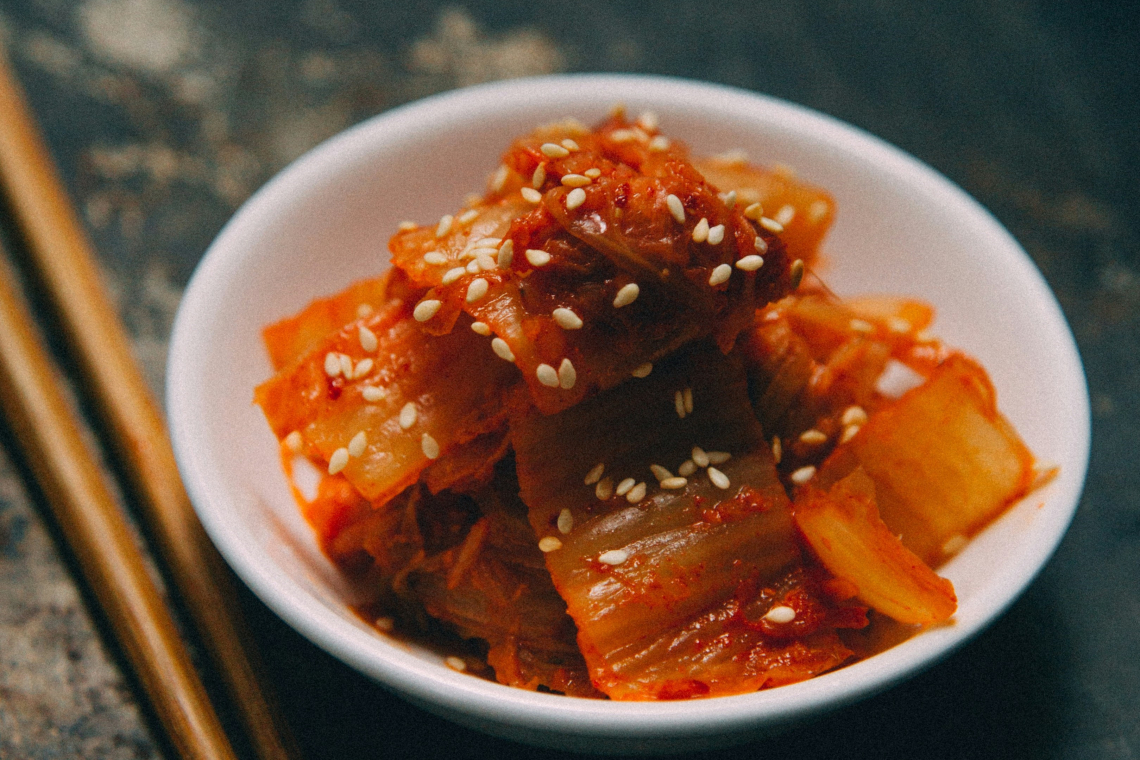
Fermented foods are varied and widely consumed, often made as a daily household kitchen activity, reducing food waste. Many varieties of fermenting organisms including those making lactic or acetic acids, or yeasts may be employed, sometimes as starters or “mothers” (as in yoghurts), sometimes from the ingredients (as in kimchi). Fermentation is part of normal mouth health and digestion: It is not surprising that fermented foods work alongside us in many ways, starting from our noses, through the bowel to immune cells and metabolic regulators and our brain, not forgetting our vast “second brain” microbiome.
Island gastronomic fires should start with pikliz, the Haitian national garnish, a pickle with a sting. Based on shredded cabbage, carrot, peppers and spices, this dish is enhanced by storage in vinegars or brines or even orange juice. Microbial fermentation delivers aromatic acids and alcohols, flavouring this to a fiery-hot coleslaw, ideal alongside sweet potato or meats. Curtido made in Salvador is similar but includes onion, oregano and loroco (a vine bud). It is sold wrapped in the national specialty – thick stuffed corn tortillas or pupusas.
Trinidadian kuchela is a condiment to respect – a fermented mango relish of grated unripe mango, garlic, amchar masala and Scotch bonnet or perhaps habaneros (congo peppers). This recipe has Indian roots: It resembles the piri-piri pickle of Mozambique, and Louisiana’s cooler “Tabasco” sauce. Trinidadians often get the prizes for heat. In 2012, their Moruga Scorpion chili pepper was the hottest chilli around.
On a milder note, Dominican or Mexican “ají picante en escabeche” is a lightly fermented mix of chillies, onions, and carrots pickled in vinegar. Archaeologists found the Taino used aji seeds in their cooking. Bajan hot sauce and Jamaican pepper pickle use vinegar-fermented peppers or Scotch Bonnets, onions and vegetables with additives such as pimento berries or mustard. Mustard itself is pickled, originally made with grape skins and pungent ground mustard seeds that contain similar compounds to wasabi, horseradish and garlic. All can stimulate pain receptors in the mouth and nose. Spices aside, fermentation by bacteria on harvested fruits is also a crucial element to the complex and intense flavours of cocoa, olives and vanilla. Alcohol aside, the Caribbean has many fermented drinks, such as bittersweet maubi or mabi, made from a tree bark, boiled with herb spices before a short fermentation.
Improving and creating flavours or extending shelf-lives with spices, pickling or fermentation works. Domestic fermentation releases vitamins (even from cabbage!) such as C, K, B2, B12 and folic acid, along with micronutrients such as antioxidant polyphenols and flavonoids. Two centuries ago, Dutch sailors used sauerkraut to prevent scurvy. Today, fermentation strategies are being extended. El Nino is threatening many with drought and reduced crop yields in the next year; food insecurity will follow. Fermenting food crops breaks down compounds that are normally anti- or non-nutrients. Tannins, saponins and phytic acid, for instance, limit the availability of proteins or iron and zinc. In South Africa, acid-fermented porridges such as masi from milk or munkoyo from maize are being developed for rural populations because they have fewer anti-nutrients and yield more vitamins and minerals that improve child health outcomes.
Fermented foods usually contain both probiotics and prebiotics. Probiotics are live microorganisms, often removed by commercial pasteurisation before sale. Stomach acids and enzymes form a formidable barrier to probiotics too. So probably only small numbers of live, beneficial fermenting organisms survive the no-bug land of our stomach. Probiotic microorganisms can be given as effective treatments, if needed, to treat specific bowel disorders using faecal transplant pills.
Prebiotics are food components that support beneficial gut bacteria and reduce virulence in others (such as Candida fungi). They include inulin, short-chain fatty acids and tryptophan. All improve insulin sensitivity and glucose metabolism, keeping gut barriers, endocrine regulators and our immune system in good shape.
Powers of peppers or chillis to improve health are small and difficult to estimate, irrespective of their Scoville units. These compounds are used in non-lethal weapons such as pepper spray and pepper grenades! Chili pepper varieties regulate flavour and quality in foods. Capsaicin is a pain reliever for arthritis or nerve pain as a cream, but can inflame the gut. Salt levels too may be particularly high in some spicy pickles – another reason for modest micro-joys rather than generous exposures!
Fermented, artisanal and unique flavours, brim-full with Caribbean stories and histories can be found in the foods in jerk shacks, markets, homes. Celebrate their adventurous creators. Buen provecho!