





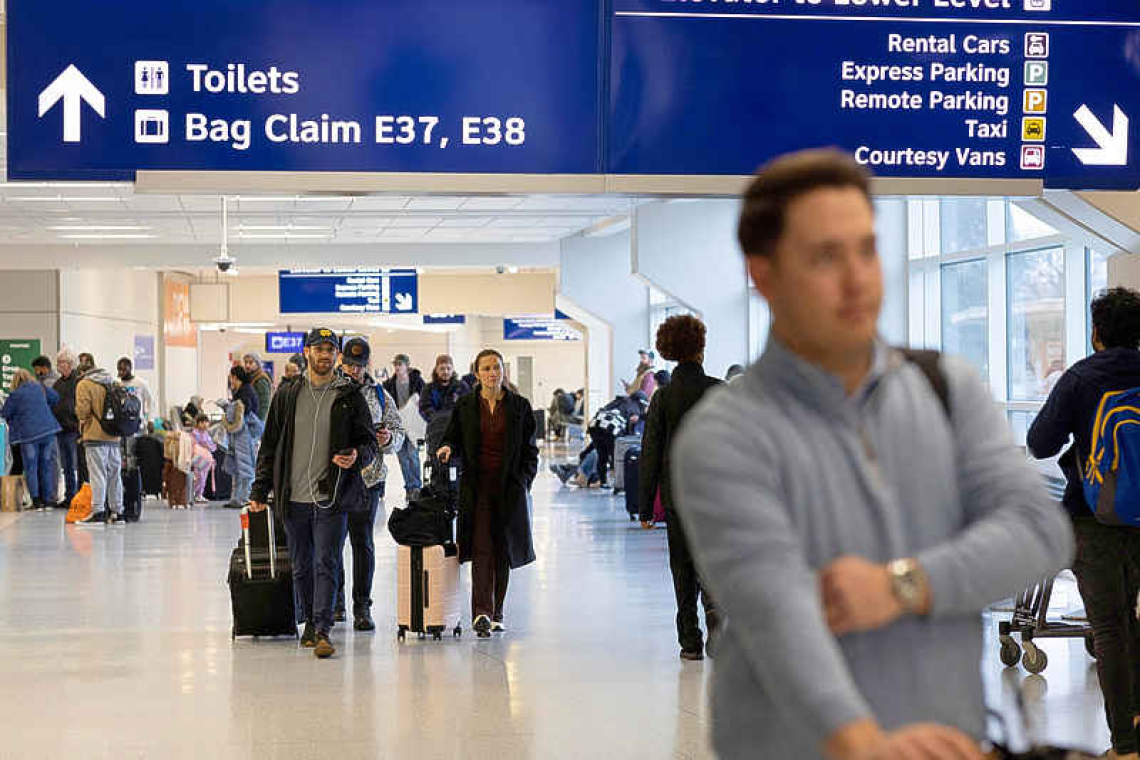
CHICAGO/LONDON--Airlines stand to save billions of dollars on jet fuel after an interim U.S.-Iran peace deal sent oil prices lower, but passengers are unlikely to see immediate relief as tight capacity may allow carriers to keep fares well above pre-war levels.
The U.S. market offers the clearest example. Fare increases still lag this year's run-up in fuel costs, while domestic seat growth remains limited. That gives airlines leeway to use lower fuel bills to rebuild margins rather than reverse recent price increases.
U.S. jet fuel spot prices stood at $2.85 a gallon on June 17, down sharply from an early April high of $4.88. A decline of that size would cut the U.S. airline industry's annual fuel bill by more than $40 billion if sustained, according to a Reuters calculation based on industry fuel consumption.
As jet fuel prices surged, U.S. airlines raised ticket prices and bag fees, and cut schedules, but those steps have offset only part of the rise in fuel costs. Industry data show jet fuel prices rose more than three times as fast as airfares from January through May. Deutsche Bank estimated U.S. carriers would recover only about 60 cents of every additional dollar spent on fuel — $14.4 billion in higher revenue against $24.1 billion in higher fuel costs.
Alaska Air said it was recovering about one-third of the increase, while Delta Air Lines, United Airlines and American Airlines put second-quarter recapture at about 40% to 50%. JetBlue Airways and Frontier Group expect to recover less than half.
United CEO Scott Kirby told Reuters his airline was getting closer to recouping the fuel-cost spike through pricing: "We're on a path to recovering 100% by the end of the year."
Raymond James data show average domestic fares booked one week before travel were up 34.1% from a year earlier as of June 8. The key question is whether airlines can keep recent fare increases as fuel prices ease. "What remains crucial is the ability to hold price," Melius Research analyst Conor Cunningham said, adding that lower gasoline prices could ease consumer pressure over high airfares.
Outside the U.S., fare relief is likely to be uneven. Lower crude prices will take time to feed through to jet fuel, and unless jet fuel falls back toward start-of-year levels, airlines are likely to keep fares firm or push them higher where demand allows, said Dudley Shanley, head of aviation and travel research at Dublin-based Goodbody.
Europe may see a split. Long-haul fares are more likely to ease because airlines passed on higher fuel costs more successfully on those routes, RBC analyst Ruairi Cullinane said. Short-haul fares may prove firmer if the peace agreement supports bookings and demand.
In Asia, HSBC analysts said China's big three airlines face weak pricing power and falling aircraft utilization, while Hong Kong's Cathay Pacific is better placed as higher fares, cargo revenue and premium demand could offset fuel costs.
The Middle East is the clearest exception, after the war disrupted traffic flows. Some airlines may use promotions to win back traffic, said aviation analyst John Strickland, but fuel remains too expensive for widespread discounting. United Arab Emirates carriers could be more aggressive and receive stronger government backing, he added.
How much airlines benefit from lower fuel prices will depend on how long prices stay down. Fuel bills reflect purchases over time, not spot prices, and even after the latest declines jet fuel still costs 54% more than a year ago, according to the International Air Transport Association.