




By Colin Michie
Strokes are the second most common cause of death. They are becoming more common in young and middle-aged people. Disability from non-lethal strokes is a growing challenge. There is good news – some green shoots – strokes may be prevented. Along with improved rehabilitation and effective treatments, more rapid detection is improving life for survivors.
Strokes are caused by the death of nerve cells in the brain after their oxygen supply stops. The cause? Damaged blood vessels, blocked by a clot or leaking blood into the brain. These silent, sudden events can be fatal. After the loss of oxygen, local inflammation and “panic” changes to neurotransmitters make the initial damage worse. Survivors of stroke can suffer in many different ways. They can lose personal skills of movement, balance, communication, understanding, memory, vision, hearing or emotional expression.
Other complications can develop later, including seizures, fevers, difficulty swallowing, breathing, pneumonia, incontinence, damage to the kidneys, and oral health. After a stroke, about 35% of folk recover with minor or no impairments. Strokes are more common in older individuals. They are more likely to happen in those with high blood pressure, diabetes, high blood cholesterol, known heart disease (such as atrial fibrillation) or tobacco smoking. They are less frequent in populations with a high kindness index – we are all linked closely to our environments!
Using this list could identify possible triggers and therefore good habits we might develop to reduce stroke risks. Tackling just blood pressure control in communities can produce a fall in strokes: Could this be a starting point for you or someone in your family? Finding some way to check your blood pressure regularly is valuable.
Several disorders, which damage blood vessels and cause stroke, are more frequent in the Caribbean, such as sickle cell anaemia or phospholipid syndromes. These need careful clinical monitoring and treatment. Younger athletes training with heavy weights, or perhaps competing in combative sports are often worried that physical straining or upper body development will increase their blood pressure.
It is true that repetitions in high resistance training increases blood pressure, but brain blood flow is usually protected from these short bursts of physical activity. There is no reason to limit sports! Another concern has been with microplastics found in the atheroma inside blood vessels. It is not clear as yet whether microplastics actually influence strokes. However, a useful target should rather reduce the atheroma by controlling blood lipids. (This will require a blood test!)
It is rare for someone to know when they are actually suffering a stroke as the brain itself does not feel pain – and speedy help matters! For this reason, loved ones, families and communities all need be watchful of each other for problems that might mean a stroke is taking place.
The BE FAST list is helpful:
- B is for Balance: Loss of balance may be a sign of stroke.
- E is for Eyes: A stroke can cause sudden loss or blurred vision in one or both eyes.
- F is for Face: Smile to see if one side of the face droops. That's a possible sign of muscle weakness or paralysis on just one side of the body in a stroke.
- A is for Arms: Raise both arms. Does one arm not move, or drop down? That's another sign of one-sided weakness.
- S is for Speech: Say a short phrase. A stroke can make it hard to choose words or talk clearly.
- T is for Time: If the answer to any of these checks is yes, call 911 (or your emergency medical number) immediately and write down the time you first saw any of these early warning signs of stroke.
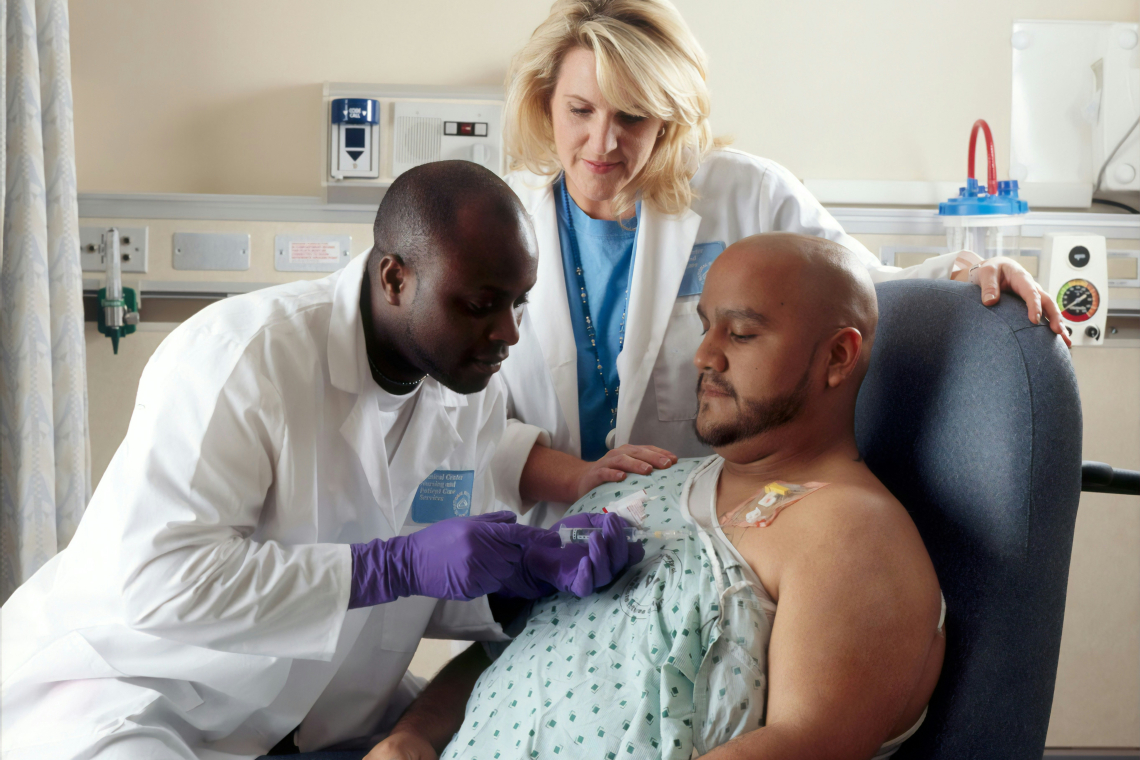
Urgent care in a Hospital, like the Sint Maarten Medical Centre, will include careful assessments to find the cause of any stroke – a CT scan is a first-line approach. Treatments may involve controlling blood pressure, removing a clot or perhaps using “clot-busting” drugs or anticoagulation. Care in a dedicated stroke unit coordinates many specialists to estimate brain damage, prevent further strokes and start rehabilitation with the patient, family and caregivers. Most recovery happens in the first year after a stroke, so intense support works best in the early months.
New agents are being trialled to support the post-stroke brain circulation, regenerate healthy neurotransmissions and reduce inflammation. Stem cells are being tested – they may assist areas of brain to regrow. Psychedelic agents including psilocybin and DMT may improve nerve recovery in some. The brain is in charge of its recovery: Local nerves regrow and adapt in recovery. A healthy brain and blood vessels therefore reduce impacts from a possible stroke. Can we change these in ourselves, our families and communities? The St. Maarten Heart and Stroke Foundation can help!
Dr. Colin Michie specializes in paediatrics, nutrition, and immunology. Michie has worked in the UK, southern Africa and Gaza as a paediatrician and educator and was the associate Academic Dean for the American University of the Caribbean Medical School in Sint Maarten a few years ago.
Useful resources: npowersxm.com/npo/st-maarten-heart-and-stroke-foundation American Stroke Association stroke.org ~ strokebuddies.org/community-stories