





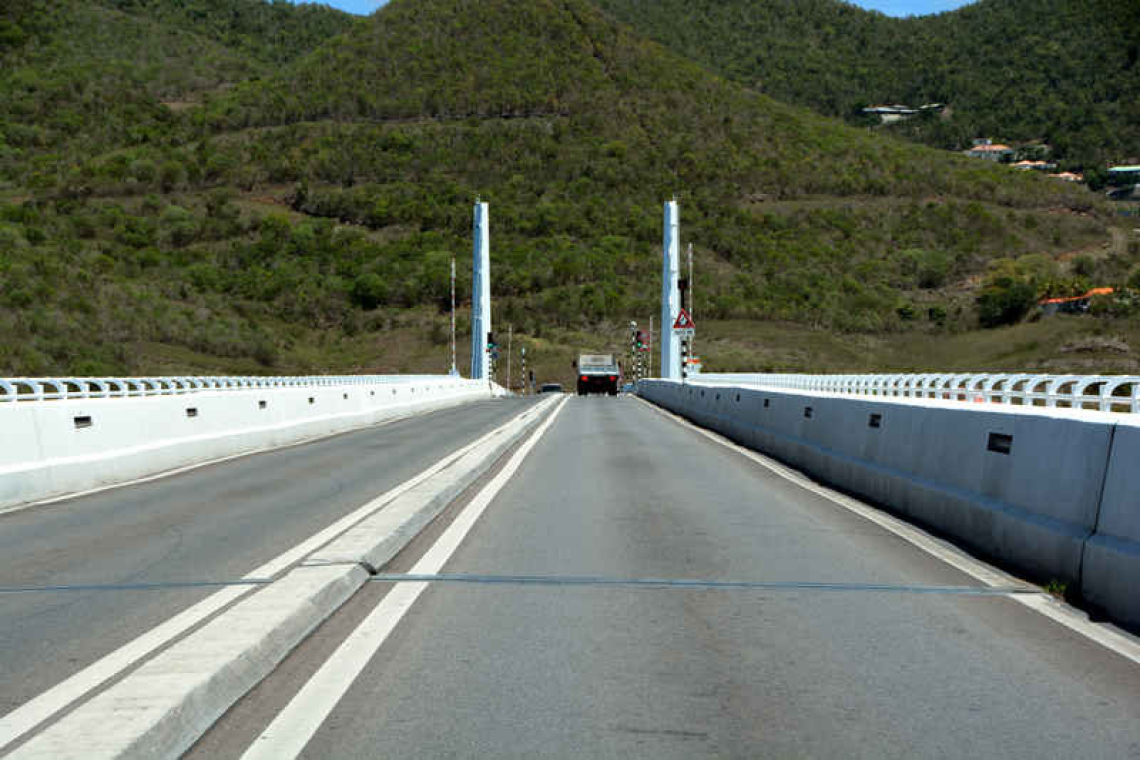
PHILIPSBURG/ZWOLLE--Two Dutch subsidiaries of construction conglomerate VolkerWessels are set to stand trial in the Netherlands this week over alleged bribery linked to the construction of the Causeway Bridge in St. Maarten. The case has been propelled forward by crown witness testimony.
The development was first reported by Het Financieele Dagblad and further explained by investigative journalist Bart Mos in an interview with BNR Radio. According to Mos, the alleged corruption dates back to 2013, when the St. Maarten government sought to construct a bridge linking Princess Juliana International Airport with the French side of the island. Several companies were invited to submit bids for the project.
“VolkerWessels subsidiary Volker Construction International submitted two proposals,” Mos said. “One was rejected almost immediately because it was considered too expensive and the design was seen as unattractive.”
However, several months later, that same proposal was unexpectedly selected. “That raised eyebrows,” Mos noted, adding that the reversal fed into long-standing rumours that major infrastructure contracts in St. Maarten were often accompanied by illicit payments.
Those suspicions led to a criminal investigation that formally began in 2015. Prosecutors later concluded that bribes had been paid to Theo Heyliger. The former Minister was convicted in 2020 of accepting bribes and laundering nearly US $4 million connected to public works projects, including road construction and harbour-related contracts.
The Joint Court of Justice sentenced him to five years’ imprisonment, a ruling later upheld in cassation apart from a limited reduction related to procedural delays.
The case against the VolkerWessels subsidiaries is closely linked to the Larimar investigation, the wide-ranging probe that uncovered systemic corruption in public procurement. While Heyliger’s conviction focused on political wrongdoing, the current proceedings shift attention toward corporate accountability and the role of private companies in sustaining corrupt networks.
Central to both cases is Ronald Maasdam, a Dutch consultant who acted for years as an intermediary between construction firms and politicians in St. Maarten. It is apparent from Mos’s BNR interview that Maasdam is again playing a pivotal role as a cooperating witness, although prosecutors have not formally confirmed his designation as a crown witness in the VolkerWessels case.
Maasdam previously served as a crown witness in the Larimar investigation, admitting that he facilitated cash payments to politicians over an extended period. Prosecutors described him as a key facilitator who helped maintain informal networks between private companies and public officials. In exchange for his cooperation, Maasdam received a 36-month prison sentence, significantly lower than the sentence imposed on Heyliger.
Court rulings allowed Maasdam to serve time in The Netherlands and to retain certain assets, including a villa in Low Lands on Saint Martin, a decision that sparked controversy and criticism from defence lawyers. Critics argued that the outcome highlighted the moral and legal tension inherent in the use of crown witnesses, particularly when cooperating suspects appear to benefit materially from their testimony.
Heyliger has consistently denied the allegations against him and has repeatedly challenged Maasdam’s credibility, arguing that the crown witness had strong incentives to shift blame in order to secure leniency. The courts, however, ruled that Maasdam’s statements were sufficiently corroborated by independent evidence, including banking records, seized documents, and witness testimony.
This week, legal representatives of Volker Construction International and Volker Stevin Caribbean, along with a former executive, are expected to appear before the court in Zwolle. The companies are accused of official corruption, a serious offence under Dutch law.
While corporations cannot be sentenced to imprisonment, a conviction could result in substantial fines, confiscation of alleged criminal profits, and significant reputational damage. The former executive, if convicted, could face a prison sentence of up to six years.
VolkerWessels has denied wrongdoing and disputes the conclusions drawn by the Public Prosecution Service. The company has previously stated that the Causeway Bridge project resulted in financial losses rather than profits and has emphasised that it cooperated with investigators. VolkerWessels has also said it strengthened its compliance and integrity policies in subsequent years.
The hearings are scheduled for this week and the week after, with a verdict expected later this year.