





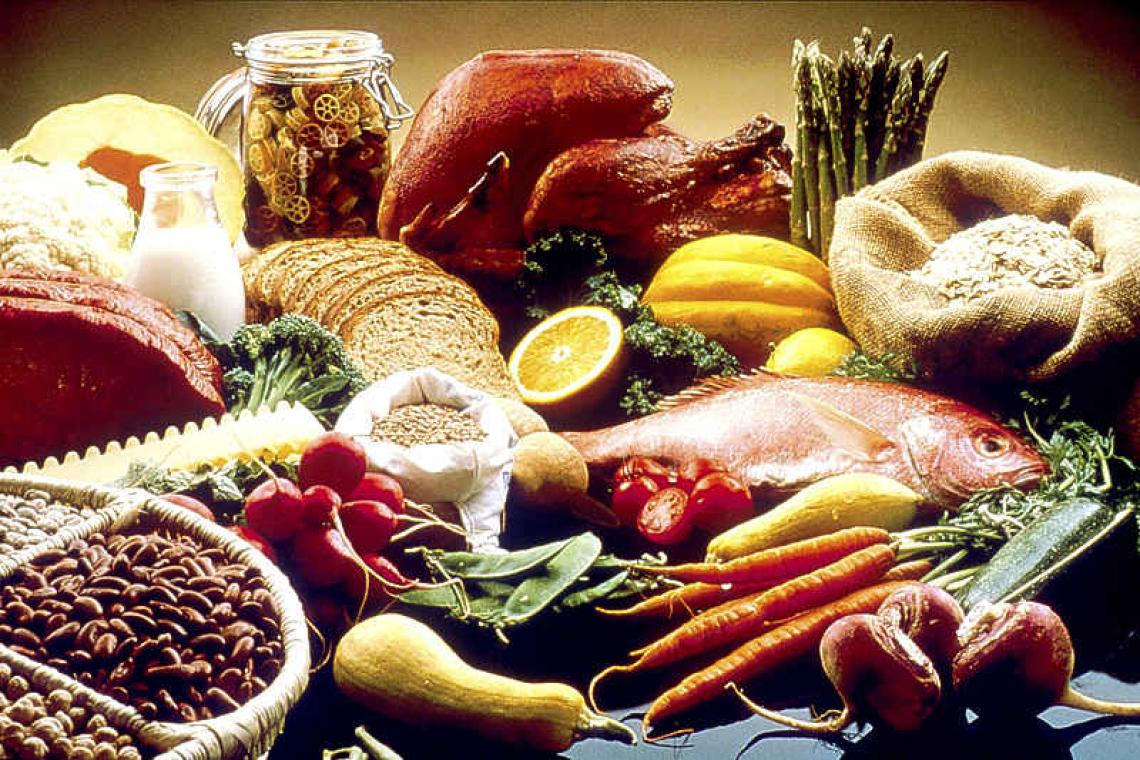
Basic groceries.
PHILIPSBURG--Everyday groceries in St. Maarten are about to become noticeably more expensive, with prices for basic items such as rice, pasta, milk, eggs, bread, oranges and lettuce expected to rise by between five and fifteen per cent within weeks.
For many households, the effect may be simple but significant: the same grocery money may soon buy fewer items. A weekly grocery run that normally costs about US $150 could soon rise to $160 or $170, or families may need to remove a few items from their cart to stay within budget.
Sunny Khatnani, CEO of Divico, one of the island’s largest food importers and distributors, said, “Every day staples like rice, pasta, milk, eggs, bread, oranges, and lettuce will feel it most.”
The impact is expected to be widespread. “St. Maarten’s food prices are set to rise five to fifteen per cent within a few weeks,” Khatnani added.
The anticipated increase is being driven by a sharp escalation in global oil prices and the resulting spike in shipping costs, factors that directly affect the island’s heavily import-dependent food supply.
Behind the projected price hikes is a steep increase in freight costs linked to rising fuel prices, now exceeding US $100 per barrel. Shipping companies, such as Tropical Shipping, will begin passing those increases down the line, triggering a chain reaction throughout the supply system.
While companies are attempting to cushion the blow by buying in bulk and optimising logistics, there are limits to how much can be absorbed internally. “As an importer, we will continue to look for ways to bulk-buy smarter,” Khatnani said. “But eventually prices will increase even further when manufacturers raise their prices.”
Higher fuel prices can affect the cost of electricity on the island through the fuel clause adjustment. Because electricity is essential for refrigeration, storage and retail operations, increases in energy costs can further add to the price of goods by the time they reach store shelves.
Looking ahead, Khatnani pointed to the need for policy responses to help stabilise costs and suggested measures include subsidising refrigerated shipping, expanding the list of Turnover Tax (TOT) exempt goods, and addressing rising electricity costs, which affect storage and distribution.
Tropical Shipping, a major regional carrier, has announced that it will implement bunker surcharge increases of more than 250 per cent starting April 12. The company said the move is necessary to maintain service reliability amid volatile fuel markets.
Under the revised rates, the surcharge for a 40-foot dry container will rise from US $400 to US $1,400. Refrigerated containers, essential for transporting perishable goods, will increase from US $640 to US $2,240. Smaller shipments, including barrels, pallets and less-than-container loads, will also see significant increases.