




WASHINGTON--The U.S. State Department is developing an online portal that will enable people in Europe and elsewhere to see content banned by their governments including alleged hate speech and terrorist propaganda, a move Washington views as a way to counter censorship, three sources familiar with the plan said.
The site will be hosted at "freedom.gov," the sources said. One source said officials had discussed including a virtual private network function to make a user's traffic appear to originate in the U.S. and added that user activity on the site will not be tracked.
Headed by Undersecretary for Public Diplomacy Sarah Rogers, the project was expected to be unveiled at last week's Munich Security Conference but was delayed, the sources said.Reuters could not determine why the launch did not happen, but some State Department officials, including lawyers, have raised concerns about the plan, two of the sources said, without detailing the concerns.
The project could further strain ties between the Trump administration and traditional U.S. allies in Europe, already heightened by disputes over trade, Russia’s war in Ukraine and President Donald Trump’s push to assert control over Greenland.The portal could also put Washington in the unfamiliar position of appearing to encourage citizens to flout local laws.
In a statement to Reuters, a State Department spokesperson said the U.S. government does not have a censorship-circumvention programme specific to Europe but added: “Digital freedom is a priority for the State Department, however, and that includes the proliferation of privacy and censorship-circumvention technologies like VPNs."
The spokesperson denied any announcement had been delayed and said it was inaccurate that State Department lawyers had raised concerns.
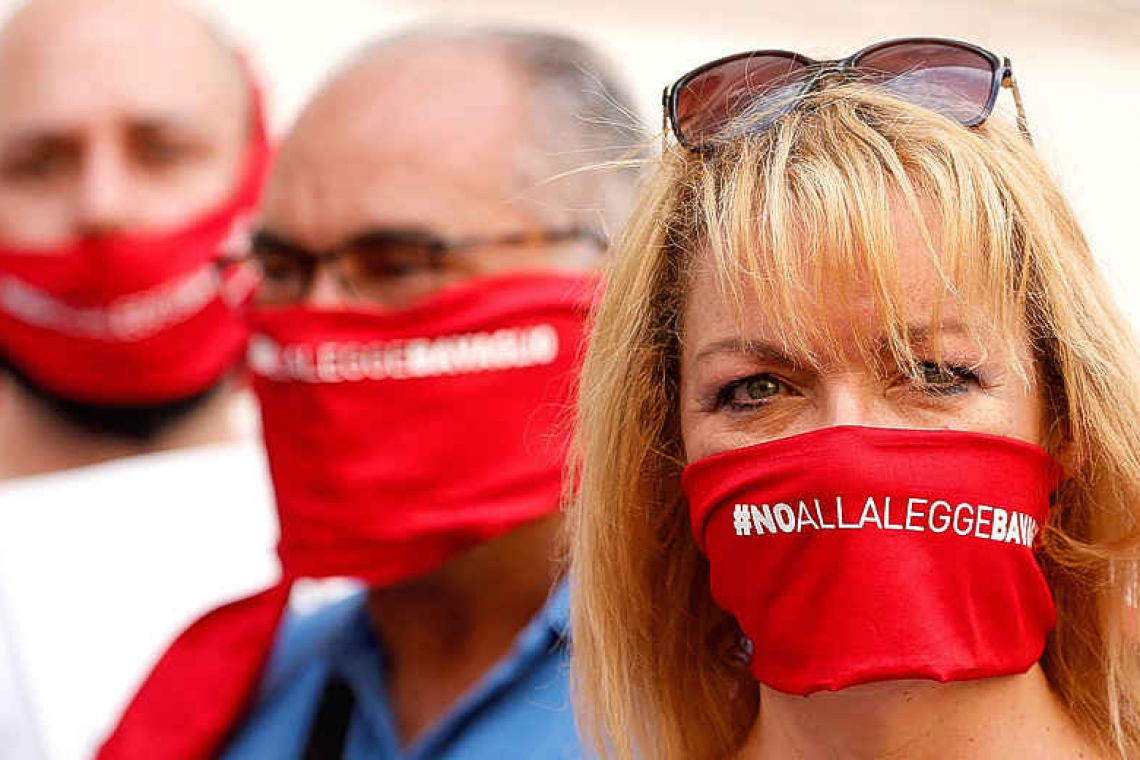
The Trump administration has made free speech, particularly what it sees as the stifling of conservative voices online, a focus of its foreign policy including in Europe and in Brazil.Europe's approach to free speech differs from the U.S., where the Constitution protects virtually all expression. The European Union's limits grew from efforts to fight any resurgence of extremist propaganda that fueled Nazism including its vilification of Jews, foreigners and minorities.
U.S. officials have denounced EU policies that they say are suppressing right-wing politicians, including in Romania, Germany and France, and have claimed rules like the EU's Digital Services Act and Britain's Online Safety Act limit free speech.
The EU delegation in Washington, which acts like an embassy for the 27-country bloc, did not immediately respond to a request for comment about the U.S. plan.In rules that fall most heavily on social media sites and large platforms like Meta's Facebook and X, the EU restricts the availability — and in some cases requires rapid removal — of content classified as illegal hate speech, terrorist propaganda or harmful disinformation under a group of rules, laws and decisions since 2008.