




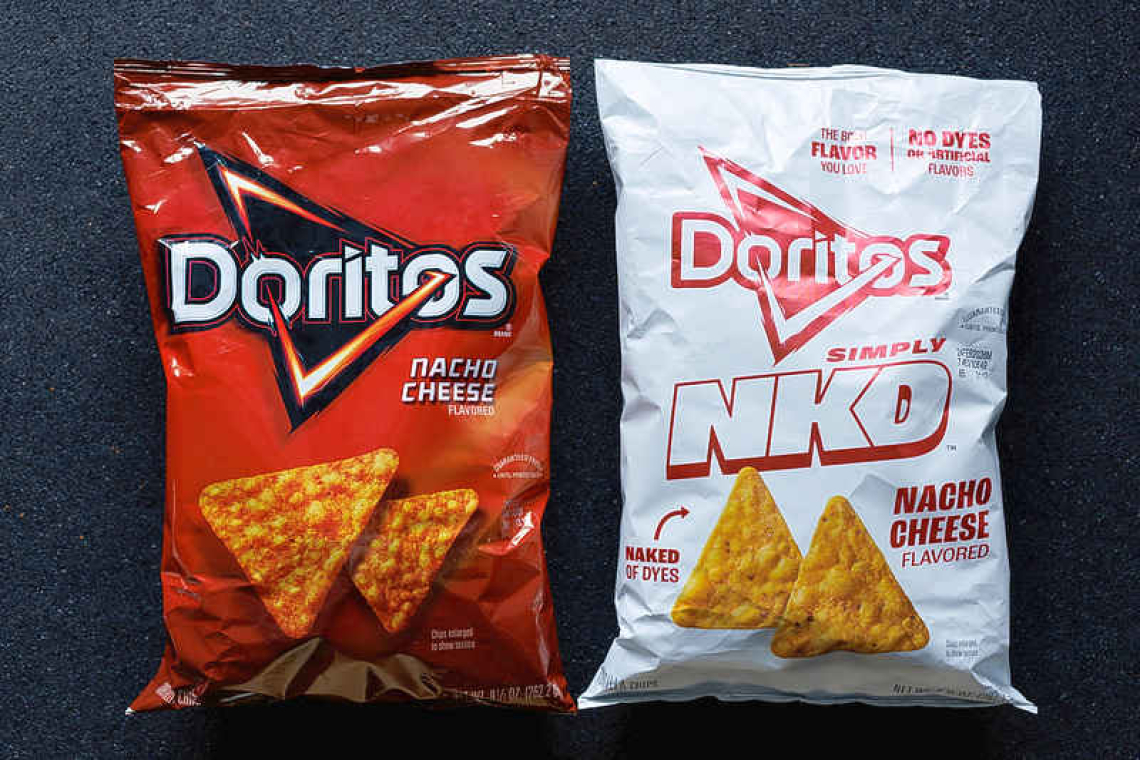
NEW YORK--When Robert F. Kennedy Jr. became U.S. health secretary last February, he pushed companies to ditch artificial dyes, a critical issue for supporters in the “Make America Healthy Again” social movement backing him. Nearly a year later, artificial dyes are still prevalent across grocery store aisles, lending vibrant colors to products ranging from salad dressing to breakfast cereals and beverages.
Some companies have responded to Kennedy’s request by reformulating products now and promising to ditch the dyes fully over time. Compliance is voluntary on the federal level, though companies are now facing new and proposed state laws on the issue, adding to the pressure.
A Reuters review of 15 of the U.S.’s biggest food makers found that two, soup maker The Campbell's Co and Switzerland-based Nestle, have pledged to remove artificial dyes before the end of 2026, the initial timeline proposed by the Department of Health and Human Services, led by Kennedy.
Seven, including Jell-O marketer Kraft Heinz and Conagra Brands, have committed to eliminating them by the end of 2027. Six, including Oreo-maker Mondelez and Coca-Cola, have not made any promises but some are introducing dye-free options or said they’re working on it, without providing a deadline for the switch.
“Nearly 40% of the entire packaged U.S. food and beverage supply has publicly committed to removing artificial dyes in the near term,” a spokesperson for the health department said. The spokesperson added that the department asked and the industry largely agreed to phase the dyes out of school foods by the upcoming school year, and all foods starting in 2027.
Food manufacturers taking longer to change are citing cost, scarcity of natural ingredients and other logistical hurdles as reasons for the delay.Conagra Brands, maker of Duncan Hines baking mixes, is weighing how shifting to natural dyes would impact retail prices. The company has tested beets and other vegetables as replacements for Red 40 in its red velvet cake mix, but has not yet made the swap, a spokesperson said.
“Something like red velvet cake, it needs to be red, so we're not going to sell gray velvet cake,” said Conagra CEO Sean Connolly, in an interview. “We use beets as an alternative and the issue there on some colors is ‘Will there be a sufficient supply? If supply gets pinched, will it drive up the cost?’”
Products containing Red 40, widely used in the U.S., require a warning label in the UK and European Union.
The food companies face few consequences for stalling or skipping out on Kennedy’s request. Those who are changing ingredient lists also say they’re responding to shifting demand as consumers look for products with fewer artificial additives.
Consumer advocates say the dyes worsen ADHD symptoms and other behavioral issues in children, and Kennedy has raised similar concerns. Scientists say the health impacts of the colors, which do not add nutritional value to food, require more research.
A study published last fall in the Journal of the Academy of Nutrition and Dietetics found that foods that use artificial dyes had significantly more sugar on average than those without the additives, but lower levels of sodium and saturated fat. It also found that more than one-quarter of the top food categories marketed to kids, such as pre-prepared meals and baked goods, had synthetic dyes, versus just 11% in other types of packaged products.
Marion Nestle, a professor emerita of health, nutrition and food studies at New York University unrelated to the Nestle company, said manufacturers are stalling because removing dyes may hurt sales, which are already under pressure due to price hikes and consumers cutting back on purchases. “These experiments have been done, and the results are not pretty for the food companies,” she said. “Sales go down, and stockholders don’t like that.”
In 2015, General Mills pledged to remove artificial dyes from its cereals including pink and green hued Trix, and replace it with colors derived from radishes, purple carrots and turmeric. But consumers revolted so General Mills re-released artificially colored “Classic Trix” in 2017 and shelved the dye-free alternative.
The company has again promised to remove the dyes from its cereals by this summer and from all of its products by the end of 2027. General Mills did not respond to a request for comment.