





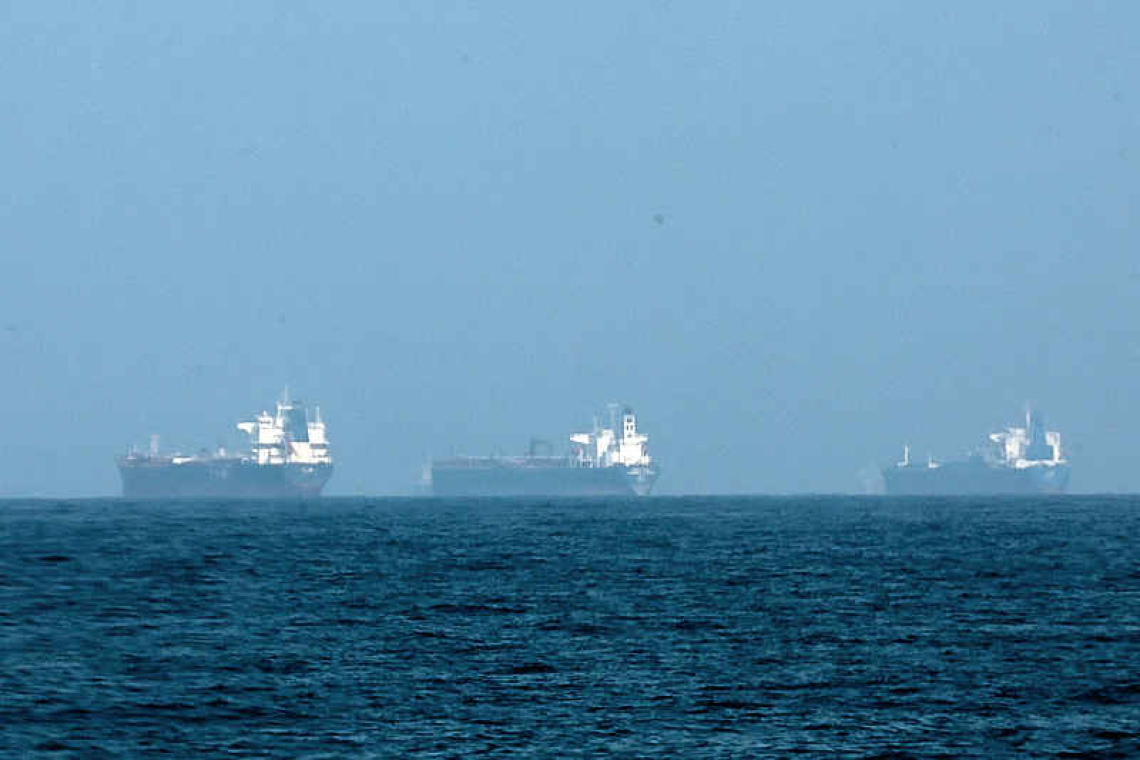
WASHINGTON--The U.S. Navy could begin escorting oil tankers through the Strait of Hormuz if necessary, President Donald Trump said on Tuesday, adding he had ordered the U.S. International Development Finance Corporation to provide political risk insurance and financial guarantees for maritime trade in the Gulf.
The move marks one of the administration’s most aggressive steps yet to attempt to contain soaring energy prices amid escalating conflict in the Middle East that has raised risks to shipping through key waterways. Global crude prices have spiked since Israeli and U.S. forces began striking Iran over the weekend, leading to fighting that has interrupted Middle East oil tanker shipments.
Ship owners and analysts were uncertain that military escorts and insurance backstopping by the DFC would be enough to stop rising prices, however. The DFC, launched in 2019, is a government agency that partners with private investors to support projects in developing countries.
Trump has made lower fuel costs for Americans central to his economic messaging, and the move signals a willingness to use financial and military tools to prevent disruptions to global crude supplies.“No matter what, the United States will ensure the free flow of energy to the world,” Trump said in a social media post.
Trump said more actions are coming.Treasury Secretary Scott Bessent and Energy Secretary Chris Wright were expected to meet with Trump on Tuesday afternoon to present a list of proposals to address the issue and finalize a response, two sources familiar with the plan told Reuters on condition of anonymity.
Trump told reporters earlier Tuesday that Americans may have to live with higher oil prices for a short period, “but as soon as this ends, those prices are going to drop, I believe, lower than even before.”
If higher energy prices persist, they could undermine efforts by lawmakers in Trump's Republican Party to retain power in the congressional midterm elections in November.
Oil shipments have been largely blocked through the Strait of Hormuz, a chokepoint between Iran and Oman through which around a fifth of the world's oil is shipped, with a number of tankers damaged by strikes and others stranded.Shipping companies and insurers have begun reassessing their exposure to the region. War-risk premiums have jumped and some providers have scaled back or withdrawn coverage, industry sources say.
Higher insurance costs have made it more expensive for tankers willing to risk traveling through the area, prompting some operators to delay voyages or seek alternative routes.
U.S. support for tanker insurance is not unprecedented. During the Iran-Iraq conflict in the 1980s, Washington reflagged tankers and provided naval escorts when private insurers withdrew coverage. After the September 11, 2001, attacks, the U.S. issued insurance policies to keep shipping moving amid elevated war-risk premiums.