




Caribbean Beauty Challenges
Living in Sint Maarten-Saint Martin means turquoise waters, glowing sunsets, and year-round beach days. But let’s be honest, island beauty hits different. Our skin and hair go through a lot more than we realize between the salty air, rain downpours into nonstop humidity, and blazing UV rays. Here’s how Caribbean living really affects your beauty routine and what to do about it.
The sun is not playing
The Caribbean has some of the highest UV indexes in the world. Even on cloudy days, UV radiation penetrates through.
What that means for you:
- Faster skin aging
- Hyperpigmentation (especially in melanin-rich skin tones)
- Collagen breakdown
- Increased skin cancer risk
According to the World Health Organization, excessive UV exposure is the primary cause of preventable skin damage globally. Island Tip: SPF 30+ every day even if you “don’t burn.” Look for reef-safe mineral sunscreens to protect both your skin and our waters.
Humidity = hidden breakouts
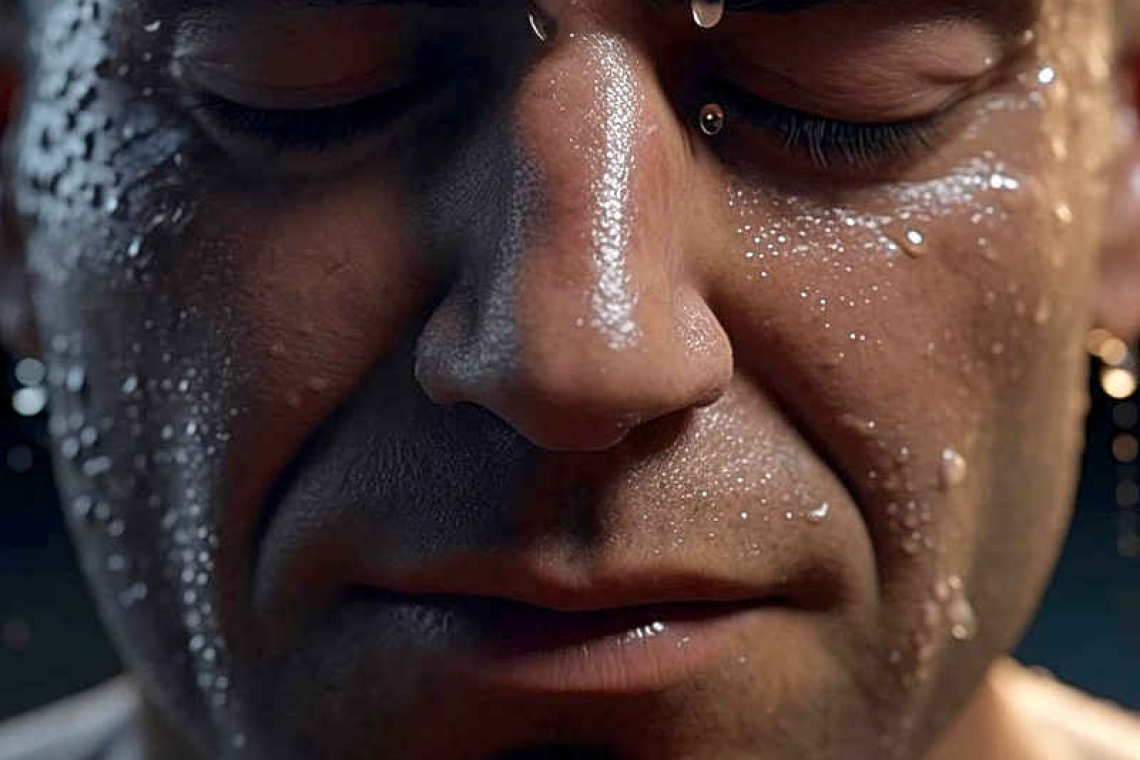
Humidity makes you sweat more. Sweat mixes with oil and bacteria. Add sunscreen and makeup and you’ve got clogged pores. The American Academy of Dermatology explains that heat and humidity increase oil production, which can trigger acne flare-ups even in adults. Over-washing can actually make oil production worse.
What works in the Tropics:
- Gel-based moisturizers
- Lightweight, non-comedogenic sunscreen
- Gentle exfoliation one or two times per week
- Cleansing immediately after beach days
Sea salt: Friend or foe?
A quick dip feels amazing, but salt water pulls moisture from both skin and hair. Dermatology research published via the National Institutes of Health shows that salt exposure can compromise the skin barrier when not rinsed off properly.
After-beach rule: Rinse immediately then follow with:
- Hydrating serum (think hyaluronic acid)
- Barrier-repair cream
- Leave-in conditioner for hair
Sweat is natural, but it can trigger fungal issues
Warm, moist climates are ideal environments for fungal skin conditions. The Centers for Disease Control and Prevention notes that excessive sweating increases risk for conditions like athlete’s foot and yeast-related rashes.
Common island trouble spots:
- Under breasts
- Inner thighs
- Behind knees
- Scalp
Prevention tips:
- Breathable fabrics (linen > polyester)
- Dry thoroughly after showers
- Don’t stay in wet swimsuits all day
Hair in the Tropics: Why it feels drier than ever
The American Academy of Dermatology confirms UV radiation damages the hair shaft similarly to skin.
Salt, UV rays, and humidity create a confusing combo:
- Hair swells in humidity → frizz
- Salt strips moisture → dryness
- Sun breaks down protein → brittleness
Island hair strategy:
- UV-protectant sprays
- Deep conditioning weekly
- Protective styles for beach days
- Clarifying shampoo once a week (to remove salt + product buildup)
- Wear a hat, long sleeve shirt and use an umbrella.
Less is more in the Caribbean
Sometimes the glow we’re chasing is really just balanced skin. Heavy creams + tropical heat = congestion.
Island skin thrives with the following:
- Lightweight hydration
- Simple routines
- Consistent SPF
- Barrier repair over harsh treatments
Caribbean beauty isn’t about matte perfection. It’s about healthy, protected, breathable skin. Your routine should work with the climate – not against it. Drink more water than you think you need. And maybe embrace a little glow while you’re at it. Remember: Hydrate. Protect. Rinse. Repeat.
Sources: World Health Organization, American Academy of Dermatology, Centers for Disease Control and Prevention – Fungal Skin Infections in Humid Climates, and National Institutes of Health.