





Colin Michie, Paediatrician
Those diets of our grandparents were so different! My Scottish grandparents were, it seems, addicted to soups and stews, based on oats, root vegetables, lentils and field beans. Occasional scraps of sausage were added to the cauld (or Dutchy). In Peru, the main daily meal revolved around soup (often made with green peas) or a main dish based on rice, plantain and beans – frijol negro, frijol Canario or a favourite, frijol rojo. Ham hock and beans was a staple throughout Europe; succotash, (beans and sweetcorn) in the United States.
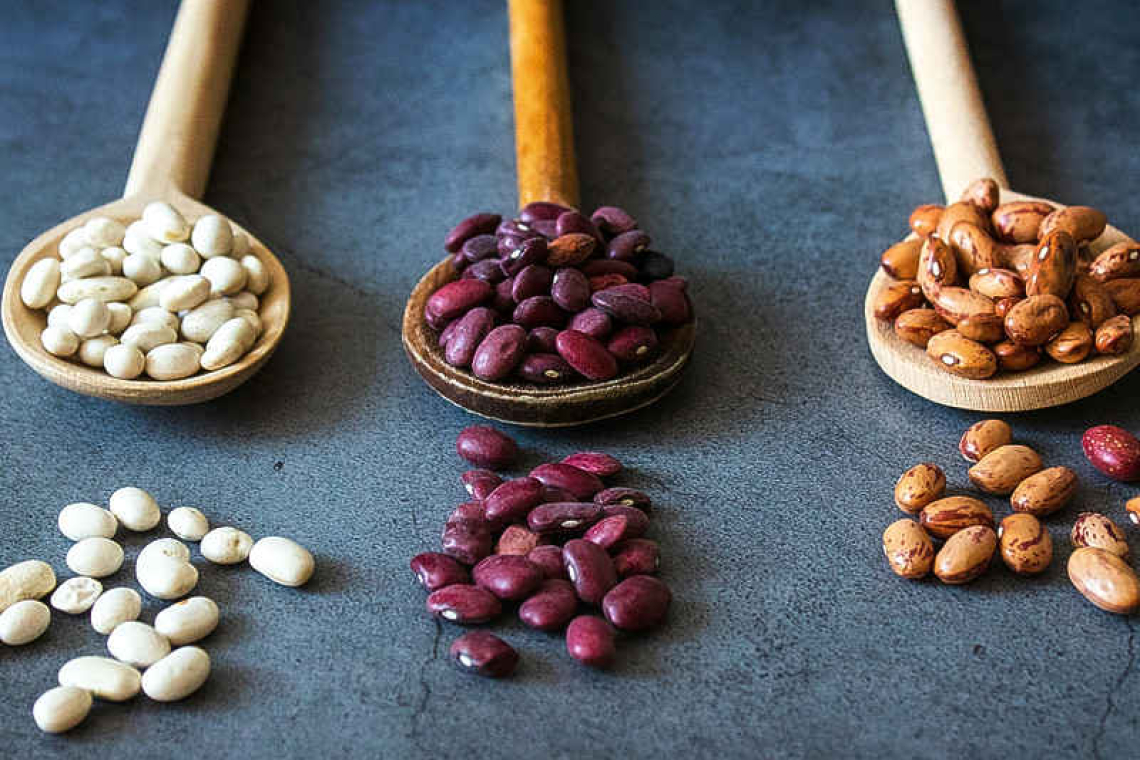
Legumes and their seeds (the beans, lentils, peas or pulses) are many and varied – some come with much folklore too. Humans have grown legumes on bushes or vines since Neolithic times. They include the peanut, soya bean and chickpea. The “common” bean alone has over 40,000 varieties. The black-eyed pea has strong African connections, spread with the slave trades to the Americas and Caribbean.
Nigerian moin-moin (or yum-yum) is steamed black-eyed bean cake made in banana leaves. Black-eyed peas are offered to the Orishas – a favourite of Yemaya. Many beans originated in the Americas where the sheer richness and diversity of plants shines through the variety of their names. In Mexico, Durango and Jalisco, Azufrado, Mayocoba, Glor de Mayo, Garbancillo, Criollo beans. In the Caribbean, oversight beans, banner or lab-lab bean, snake bean, yard-long bean, mung beans and pigeon peas.
Beans are condensed packages of excellent nutrients. Exact levels of these depend on the type and how the plant was grown. Beans contain no cholesterol, but are particularly high in protein and fibre, with a slow-release carbohydrate profile. Most beans are short of sulphur amino acids. However, these are found in rice; so rice ‘n peas recipes provide all essential amino acids in every forkful! Fermentable non-starch carbohydrates in most beans are gut-friendly, supporting our microbiomes.
Depending on their method of preparation, peas and beans are rich in minerals, too, as well as vitamins and essential fatty acids. Beans contain valuable, diverse toolboxes of phytochemicals including anti-oxidants and anti-inflammatory compounds: These are good for any family pot!
Legumes are protective. In May, the US national review of over 46,000 individuals found a 19% lower prevalence of cardio-metabolic disorders in those who ate more pulses. Smaller groups from exceptionally long-lived communities, the Blue Zones, have significantly higher legume consumptions. Legumes protect against malignancies, but the strength of this finding varies across different studies.
One leguminous root nodule, the peanut, needs special mention because it continues to save so many lives as a ready-to-use-therapeutic food (RUTF). Originally from South America, the high fat levels as well as protein and mineral profiles mean peanuts can be processed into a paste that keeps well, does not require refrigeration, and withstands being dropped from a helicopter. It is used daily in areas of the world where food security and malnutrition are a challenge. Kidney beans, black beans, chickpeas, lentils and soya contain high levels of iron. Strains of beans have been bred to ripen with even higher iron levels. Eating these regularly prevents and helps treat iron deficiency in developing countries.
The small navy, white, Jigna or Boston bean has been used for bean pies and traditional bean soups in the US Senate. Paired with spices or herbs, it can transform many dishes. The fluid in which beans are soaked – for instance, in canned beans or chickpeas – is aquafaba. Although used in traditional cooking for centuries, vegan applications of acquafaba show it can replace egg white in macaroons, mousses and meringues, in the manufacture of mayonnaise or meat substitutes too. Innovation in bread baking has found that if small proportions of legume flours, whether dried, fermented or sprouting, deliver a more nutritious and tasty loaf. Fusion recipes using legumes have many possible potentials we have yet to discover.
Beans require less water than animals to build their proteins. They grow in a range of soils. Legumes “fix” nitrogen from the atmosphere using their roots, with a collaboration with rhizobia, colonies of soil bacteria that collect nitrogen and turn it into nitrates, in exchange for foods from the parent plant. This magical capacity reduces a farmer’s requirements for synthetic fertilisers and contributes to plant-based diets and global food security.
Beans require careful preparation in the kitchen. Red kidney, broad and soya beans contain small amounts of toxic proteins that can cause digestive upset – they need cooking! Most beans can cause flatulence, too, from fermentation of their carbohydrates. Soaking, rinsing, cooking your selected beans with herbs and spices, and initially eating only small quantities may mitigate against this. Orishas and our ancestors ate these valuable foods, humble beans, on many continents and islands. Perhaps we should all increase our bean intakes!
Useful resource: nutgeeks.com/peanut-products-world-hunger
Dr. Colin Michie specializes in paediatrics, nutrition, and immunology. Michie has worked in the UK, southern Africa and Gaza as a paediatrician and educator and was the associate Academic Dean for the American University of the Caribbean Medical School in Sint Maarten a few years ago.