





As St. Martin celebrates its rich cultural heritage, it is also a fitting time to appreciate another part of our inheritance – the native trees and plants that have nourished, sheltered and healed generations of islanders. The recent launch of “Trees for Me and My Island” by Les Fruits de Mer highlights the remarkable diversity of our local flora and reminds us that protecting nature also helps preserve traditional knowledge.
Long before modern pharmacies, families relied on plants found in their gardens and surrounding hillsides. While not all traditional remedies have been rigorously studied, many have played an important role in local health and wellbeing.
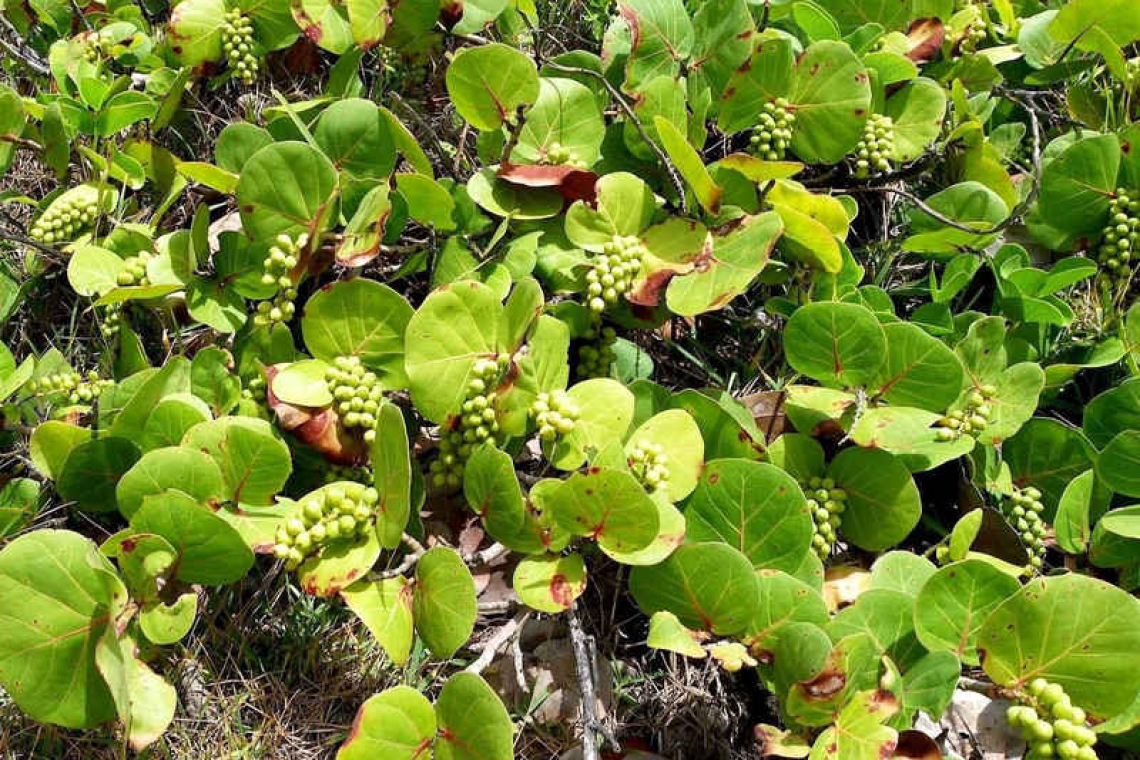
The sea grape, with its broad, leathery leaves and clusters of purple fruit, is a familiar sight along our beaches. Rich in antioxidants and vitamin C, its fruit can be enjoyed fresh or made into jams and jellies. Historically, different parts of the plant have also been used in traditional remedies.
Tamarind is treasured throughout the Caribbean for its sweet-sour pods. The pulp is rich in vitamins, minerals and antioxidants, and is commonly prepared as a refreshing drink. Traditional medicine has used tamarind to aid digestion and relieve constipation, although these uses should complement – not replace – medical advice when needed.
Often called the “miracle tree,” moringa has become increasingly popular. Its leaves are packed with protein, calcium, iron and vitamins A and C, making them a nutritious addition to soups, teas and salads. Research suggests moringa contains beneficial plant compounds, but it should not be viewed as a cure-all.
One of the hardest woods in the world, the beautifully flowering lignum vitae has a long history in Caribbean herbal medicine. Traditionally, preparations made from its wood or resin were used to ease joint pains and inflammatory conditions. Scientific evidence for these uses remains limited, but the tree remains an important symbol of Caribbean natural heritage.
No island garden seems complete without aloe vera. The cooling gel inside its leaves is widely used to soothe minor burns, sunburn and skin irritation. It remains one of the best-supported traditional plant remedies, although aloe products intended for internal use should be taken only with appropriate guidance.
Guava leaves have long been brewed into teas for digestive complaints and sore throats. Laboratory studies suggest they contain antimicrobial and antioxidant compounds, but more clinical research is needed to confirm their effectiveness in people.
Finally, soursop leaves have attracted worldwide attention because of claims that they can prevent or treat cancer. While laboratory studies have identified biologically active compounds, there is currently no reliable clinical evidence that soursop leaves cure cancer in humans. They should never replace proven medical treatments, and excessive consumption may carry risks.
The trees around us are more than part of the landscape; they are living links to our history, culture and environment. By planting native species and learning about their traditional uses, we help preserve both biodiversity and the wisdom passed down through generations. Caring for our island’s trees is also an investment in the health of future generations.
Resource: “Trees for Me and My Island” by Mark Yokoyama is available as a free download from lesfruitsdemer.com/wp-content/uploads/2025/05/Trees-For-Me-and-My-Island.pdf