





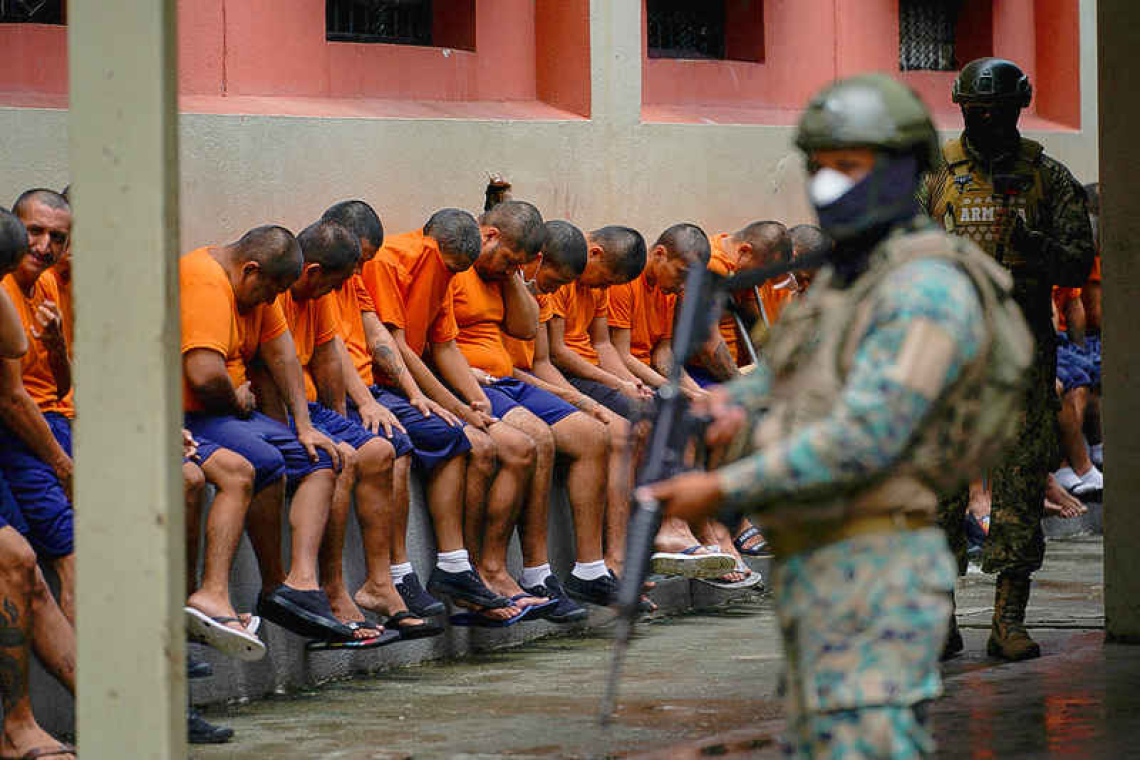
QUITO/GUAYAQUIL--After hundreds of Ecuadorean inmates were killed in prison riots in 2021 and 2022, President Daniel Noboa made restoring order in jails one of the central pillars of his security strategy when he took office in 2023.
While the government has sharply curbed the number of riots, figures revealed in a Reuters investigation show prison deaths are reaching levels not seen since the height of the unrest.Deaths of inmates almost quadrupled year-on-year in 2025 due to both violence and natural causes, including a tuberculosis outbreak, according to the figures obtained by Reuters through a freedom-of-information request to the Interior Ministry. Deaths attributed to violence alone also rose fourfold from the year before.
Of the 1,220 inmates who died in 2025, at least 206 were killed during gang clashes and other violence, up from 46 the previous year, according to the figures. It was the highest number since 2021, when 328 inmates died.
The other deaths last year were attributed to illness, suicide and other undetermined causes — a 256% increase from the 285 recorded in 2024. The government has not released comparable figures for 2021, 2022 or 2023.
Neither Noboa’s office nor prison agency SNAI responded to requests for comment about the increase in deaths during 2025. In its response to the freedom-of-information request, the Interior Ministry said the sharp increase in deaths “even compared to historically critical periods such as 2021" could "without proper technical context," create "distorted perceptions of institutional management."
The ministry did not respond to a separate request asking it to explain the technical context.
Fatal prison riots were nearly a monthly occurrence in Ecuador in 2021 and 2022 as the nation's jails became a microcosm of a wider surge in drug-related violence rocking the country. Bringing prisons under control is a main plan of Noboa's security agenda. The conservative business heir has staked his legacy on fighting drug trafficking and crime, which have surged in Latin America in recent years, inspiring the election of tough-on-crime presidents from Costa Rica to Chile.
Noboa put the military in charge of certain penitentiaries, is building new jails he says are better equipped to handle violent felons, and has transferred some high-profile prisoners. His government says the moves have reduced violence compared with previous years.
The government acknowledges overcrowding in prisons and says it is responding to healthcare issues with disease screenings and medical attention.But the death figures tell a grim tale of prison conditions, as relatives of inmates and rights organizations highlight violence, abuse, tuberculosis worsened by overcrowding, insufficient medical care and lack of adequate food, all of which they say have been exacerbated by the strict conditions imposed as part of the military intervention.
The government says military operations have dismantled criminal operations inside prisons, including drug shipments, extortion and planning for attacks against politicians and officials and that they have closed nightclubs and even a private pool within prisons which were once enjoyed by gang leaders.
But officials are also contending with overcrowding of 30.6% in adult prisons. Juvenile facilities were not overcrowded in 2024, according to official data, but reached a level of overcrowding of 15.3% in 2025.
The government says a 7.6% increase in the national inmate population last year, to 35,454, is due to more arrests and longer sentences. It says many cells are unusable because of riot damage, forcing inmates to crowd into fewer spaces.