





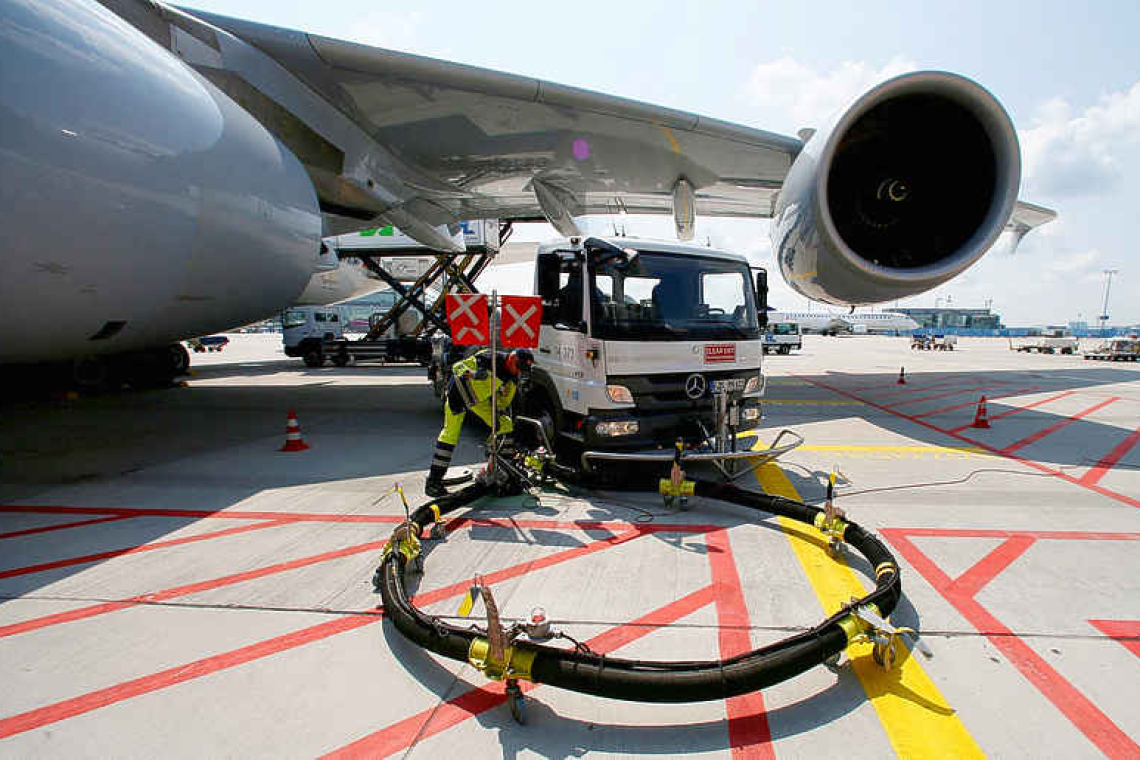
LONDON/FRANKFURT/LAGOS--Governments and airlines are sounding increasingly urgent alarms about diminishing jet fuel supplies and soaring prices due to the Iran war, as Lufthansa grounded planes, Nigerian carriers threatened to stop flying, and a fire cut fuel output in Australia.
Since the U.S.-Israeli war against Iran began on February 28, carriers have hiked air fares, introduced fuel surcharges and cut some routes to preserve cash and cut costs. Airlines have warned of fuel shortages within weeks, disrupting travel ahead of the Northern Hemisphere's peak summer season and deepening the aviation industry's worst crisis in years.
Germany's Lufthansa on Thursday said it will ground as many as 27 planes imminently, the first major carrier to do so, whilst Britain's easyJet warned bookings were lagging last year's.
Analysts say further capacity cuts, groundings and surcharges are likely, with markets watching airlines' results for clues to the extent of the war's impact on fragile profit margins and revenue.A two-week ceasefire has provided little relief with the ongoing closure of the Strait of Hormuz removing roughly a fifth of global oil and liquefied natural gas supplies from the market, and refineries requiring time to repair damage from the war.
EasyJet's shares fell by as much as 9% before paring losses to close 5% lower. Ryanair was down 6% and Wizz Air and Lufthansa lost around 3% each.
Dudley Shanley, head of aviation at Goodbody, said airlines' profit outlooks will have to be pulled back, adding that slower bookings and lower yields are feeding into investor scepticism.
Nigerian airlines on Thursday warned they could stop flying as soon as Monday unless fuel prices, which have risen about 270% since late February, come down. “Currently, airline revenues are insufficient to cover the cost of fuel alone,” the Airline Operators of Nigeria said.
In Australia, a fire at the largest of the country's two oil refineries added to worries about fuel security, with owner Viva Energy saying it expects output of petrol and aviation gasoline to be affected.
EasyJet CEO Kenton Jarvis said on a media call that travellers are booking flights closer to their travel dates and there had been an initial shift to more domestic, city destination travel."It's a later booking window...And if there is any shift, it's a little bit away from the eastern Mediterranean, a little bit towards the western Mediterranean," Jarvis said, adding that travel to Cyprus, Egypt and Turkey, however, was slowly recovering.
Lufthansa had launched a number of new flights to Asia in an effort to capitalise on shifting demand tied to the war. It vowed to continue its broad restructuring strategy, promising investors a more streamlined, cost-efficient company. However, the decision to ground 27 planes servicing its CityLine subsidiary, as well as four older Lufthansa-branded jets, rattled unions. Lufthansa has faced costly and disruptive strikes by pilots and cabin crew in recent weeks.
Airlines have said it is difficult to predict how demand might shift in the second half of 2026 as tourists fear travel turmoil and price hikes. Bookings for the July-to-September quarter were 30% sold, easyJet's Jarvis said, while load factors, the portion of available seats filled by paying customers, were uncertain.
"That will very much depend on what the late-summer market is like, and obviously what happens to the conflict in the next week or two," he said.
EasyJet, which had already warned that the war had impacted bookings and would push up ticket prices towards the end of the summer, said 70% of its summer fuel need was locked in at $706 per metric ton. The airline's hedges will start unwinding towards the end of the summer, however, potentially pushing higher costs onto fares.