





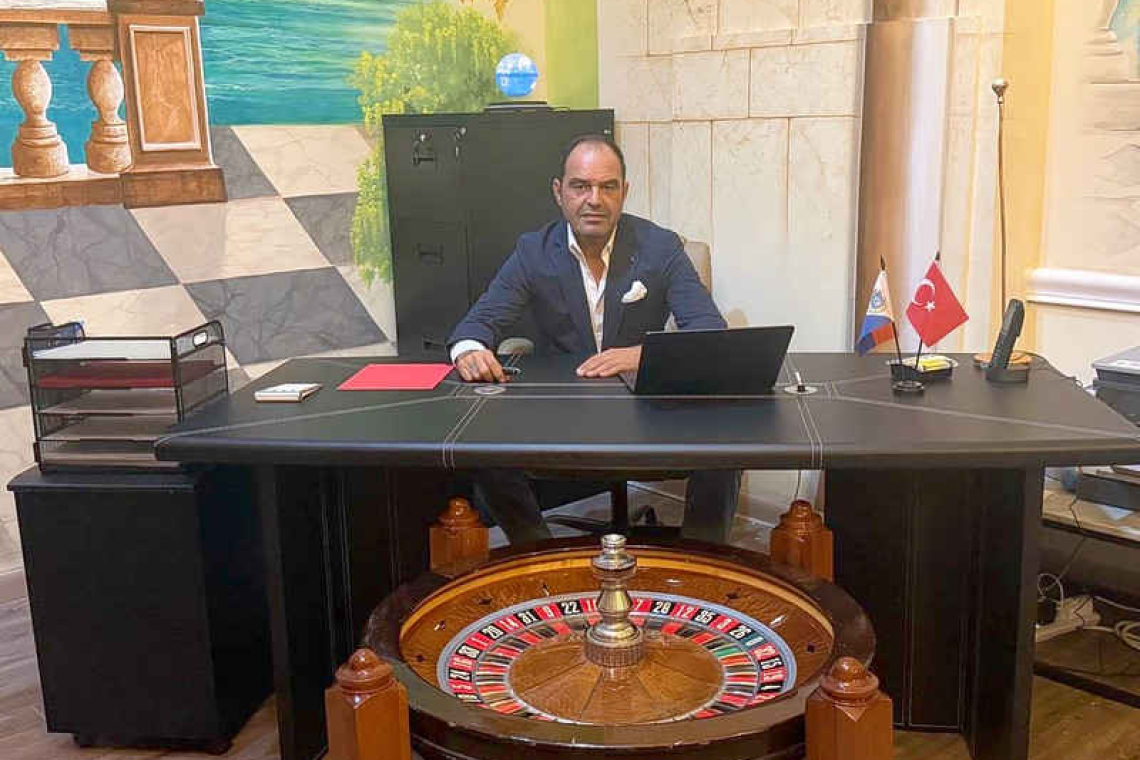
By Murat Turkmenoğlu, PR Director
Every year, thousands of visitors arrive in St. Maarten looking for many of the things we know so well: Sunshine, beautiful beaches, warm weather, good food and a few days away from everyday life. For those of us who live and work here, it is easy to become used to what surrounds us. The blue water becomes something we pass on the way to work. The view of the lagoon becomes part of our daily routine. We drive past beaches that people in other parts of the world save money all year to visit. Sometimes, living in a beautiful place makes us forget just how special that place is. But tourism today is changing.
Having a beautiful beach is no longer enough. Having good hotels is not enough. Restaurants, shopping and nightlife are not enough on their own either. Visitors have more choices than ever before. The Caribbean alone offers dozens of destinations competing for the same traveller. Add Mexico, Florida, Central America, Europe and countless other vacation destinations, and the competition becomes even greater. So, the question for St. Maarten should not simply be, “How do we bring more visitors to the island?” I believe we should also ask “What will they remember after they leave?” That is where a visit becomes an experience.
A destination is more than a collection of businesses
When tourists arrive in St. Maarten, they do not think about our island in the same way those of us working here sometimes do. We may think in categories. Hotels are one business. Restaurants are another. Taxi companies, casinos, beach clubs, marinas, shops, tour operators and nightlife venues are all separate industries. The visitor doesn’t see it that way. To them, it is all St. Maarten.
The taxi ride from the airport is part of their St. Maarten experience. So is the hotel reception. So is the restaurant where they have dinner. The bartender who serves them that evening is part of it. The person who rents them a car the next morning is part of it. The beach attendant, shopkeeper and tour guide are part of it too. One poor experience can affect their impression of the island. But one wonderful experience can do exactly the opposite. That is why I believe we need to think about tourism as one connected experience rather than hundreds of separate transactions.
Give people stories to take home
People don’t return from vacation and talk only about what they purchased. They tell stories, such as the following:
- “We found this little restaurant…”
- “You should have seen this beach…”
- “Our taxi driver told us about…”
- “We met these people…”
- “We had such a great night…”
Those sentences are incredibly important for tourism. Because when someone tells a story about their vacation, they are marketing the destination without even realizing it – and that type of marketing is difficult to buy. A beautiful advertisement can convince someone to look at St. Maarten. A memorable experience can convince them to come. And a collection of great memories can convince them to return.
Our size can be an advantage
St. Maarten is a relatively small island, and sometimes we may see that as a limitation. I see it differently. Our size can actually be one of our greatest tourism advantages. A visitor can spend the morning at the beach, have lunch somewhere completely different, go shopping in the afternoon, enjoy a sunset near the water, have dinner at a great restaurant and still have plenty of options for entertainment later that evening – all in one day. In larger destinations, those experiences may require hours of travel. Here, they can happen within a relatively small area. That gives us an opportunity to create something very valuable: Variety without losing convenience. We should make more of that advantage.
Hospitality connects everything
Of course, beautiful places and good businesses matter. But there is something that connects all of them: Hospitality. A visitor can find beaches in many countries. They can find good restaurants in almost every major tourism destination. They can find luxury hotels, shopping, nightlife and entertainment elsewhere. What makes a destination different is often how people feel while they are there. Were they welcomed? Did they feel comfortable? Did people seem happy to have them here? Did someone go beyond what was expected?
These questions may sound simple, but they influence whether a visitor becomes a repeat visitor. And repeat visitors are extremely valuable. Someone returning to St. Maarten for the fifth or tenth time is not coming because they suddenly discovered we have beaches. They are returning because they have developed a relationship with the island. They have favourite places. They know people. They have routines. In a small way, St. Maarten begins to feel like theirs too. That is something every tourism destination should want to create.
We should sell the whole day
Another opportunity is to think beyond individual moments. Tourism is not just about where someone sleeps at night. It is about the entire day. What happens after breakfast? What happens after the beach? Where do people go before dinner? And perhaps most importantly, what happens after dinner? A strong destination gives visitors reasons to keep exploring. Beaches bring people out during the day. Restaurants bring them out in the evening. Live music, entertainment, nightlife and other activities extend that experience into the night.
Each business benefits when the destination around it is active. That is why collaboration across the hospitality industry matters. A hotel recommending a restaurant helps the restaurant. A restaurant recommending an entertainment venue helps that venue. A taxi driver recommending a beach helps the beach. But together, they are doing something larger: They are selling St. Maarten.
The experience begins before arrival
Today, a vacation often begins long before the airplane lands. People watch videos. They read reviews. They follow social media accounts. They ask questions online and look at what other travellers experienced. By the time many visitors arrive, they already have expectations. Our challenge is not simply to meet those expectations. Whenever possible, we should exceed them – not necessarily with expensive gestures. Often, it is the unexpected small things that people remember: A genuine welcome. A good recommendation. Someone remembering a name. A little extra help when something goes wrong. A moment that wasn’t included in the travel package. Those are the experiences that become stories.
From visitors to ambassadors
The strongest tourism destinations don’t only create visitors; they create ambassadors. These are the people who return home and tell their friends, “You need to visit St. Maarten.” They come back themselves. They bring family members. They celebrate birthdays and anniversaries here. Some return year after year until the island becomes part of their lives. That relationship cannot be created through advertising alone. It is created through experience.
St. Maarten already has many of the ingredients that destinations around the world spend enormous amounts of money trying to create – natural beauty, beaches, excellent restaurants, nightlife, marinas, shopping, entertainment and an international atmosphere. The opportunity is to connect them better – because, ultimately, our goal should not simply be to have people arrive, stay for a few days and leave; we should want them to leave with something: A favourite restaurant; a beautiful photograph; a funny story; a new friend; a place they cannot wait to visit again. Visitor numbers will always matter in tourism; but perhaps there is another measure that matters just as much: How many visitors leave St. Maarten already thinking about when they can come back?
That, to me, is when tourism becomes more than a visit. It becomes an experience.