





By Dr. Colin Michie
Our family will occasionally check food labels when shopping – what the levels of sugar or salt are, perhaps the calorie counts also. This seems healthy, but it is neglectful. We are custodians of several kilograms of microbes living in our bowel. Our personal microbiome consortia need fibre! It is well connected and influences our subconscious, our moods, sleep and immune system: We should treat this second brain as our bestie.
Fibre includes insoluble, fibrous or spongy materials in grains or vegetables, as well as soluble varieties in beans, peas, lentils, cereals, fruits, berries and seeds. Many modern diets are short of both varieties: Adults should eat at least 30g a day, so almost everyone could take more. Groups consuming higher fibre diets suffer less with gut diseases such as dental caries, constipation, gallstones, appendicitis, diverticulitis and piles. Fibre in the diet reduces numbers of colon and breast cancers too. This is dramatic epidemiology, and fibre seems more than just a driver of the poop conveyor belt. How is this possible?
Some of the more jelly-like fibre materials and starches we cannot digest are fermented by gut microbes, resident in the 1-2 metres of large intestine or colon. They include a diverse mass of trillions of bacteria, viruses, fungi and archaeobacteria. Fermentation produces a range of products, including short fatty acids such as acetate or butyrate. These are used locally as foods by cells lining the colon; they support mucus production there. Fatty acids stimulate gut cells such as neuropods to release a large orchestra of messenger molecules, including melatonin.
Melatonin in the gut reduces oxidative damage and supports muscle activities. Other fermentation products in the second brain include neurotransmitters such as serotonin, dopamine and GABA. These support immune protections, reducing inflammation, promoting regeneration and reducing cell ageing in the bowel. By working with gut nerves, they control stomach emptying, support feelings of fullness and satisfaction and drive insulin to store glucose and other digested foods in the liver and muscles.
Fermentation of fibre generates gases: carbon dioxide and hydrogen. Archaea organisms in the colon’s microbiome make methane from these. Gas production varies between us – from very little to a litre of methane a day. Gas production is mostly passed out as flatus. A “fart walk” may be a polite, practicable adaptation for some. These gases dissolve in the blood supplying the tripes, so they can be detected in the breath. Measures of breath hydrogen and methane help measure the size and health of our microbiomes – a common Hospital test.
Outside the skull, most of our nerves work around the bowel. The gut has a muscular coating squeezing food onwards from the initial swallow. Specialised cells in the gut lining are linked to the brain through the vagus nerve that tracks down the neck, behind the oesophagus and stomach. Signalling works in both directions: This is a major motorway for the gut/brain axis. By the second month of foetal life, the vagus has networked with all developing organ systems, regulating their involuntary or autonomic activities and operating below our consciousness. For instance, the vagus slows your heart rate in deep sleep, makes your stomach rumble when it is empty or has you heading to the toilet after breakfast. It is a crucial element of our second brain.
Microbial fatty acids from the colon moving in the circulation deliver beneficial effects to other organs and tissues. They support metabolic and immune functions, reducing levels of allergic and inflammatory diseases. High levels of fatty acids improve responses to many different cancer therapies, probably by supporting the immune system. Because of this, diets increasing fatty acid production are being trialled in combination with a number of cancer treatments to find out how useful they really are. Fatty acids may link to our mental health too, and are being examined in treatments for disorders such as Parkinson’s disease.
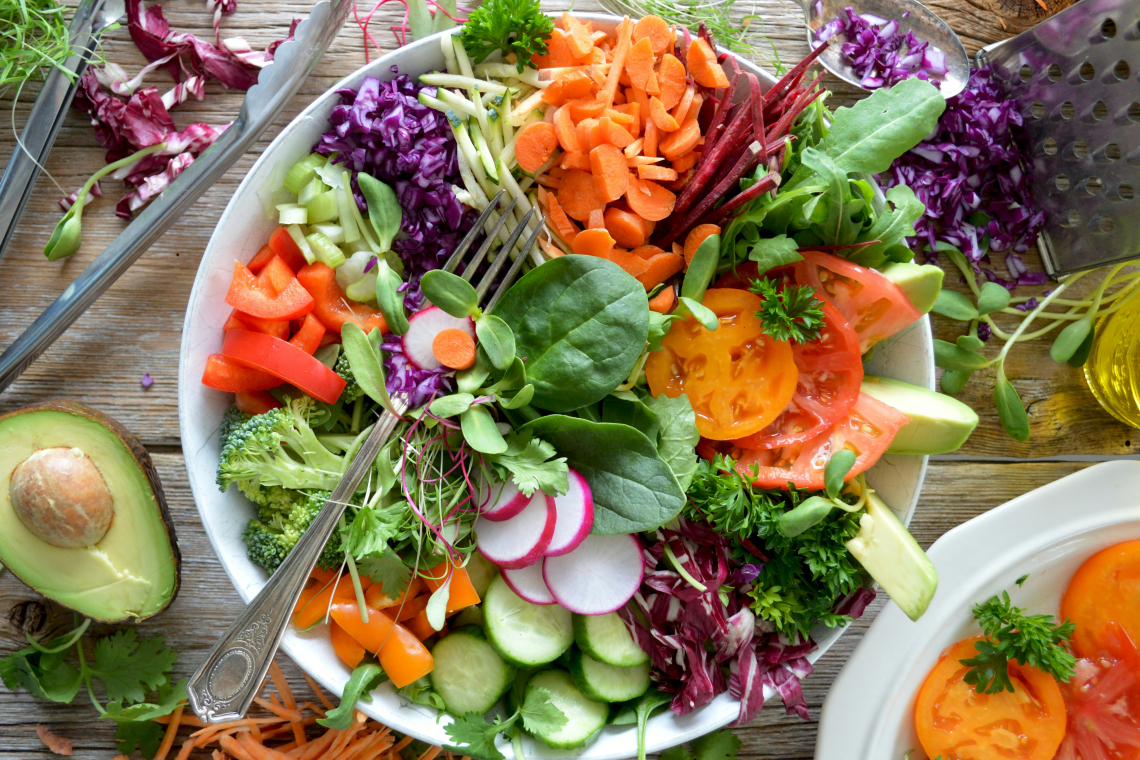
Scattering seeds, beans or berries into yoghurt, porridge, salads or grills will improve their fibre content. Chia, flax seeds or rye grains are particularly concentrated sources of tasty fibre. Secret fibre sources include very dark chocolate or cocoa (although their levels are low!). Fibre often carries valuable micronutrients, including minerals, phytochemicals and antioxidants. Fibre-maxxing has become an online trend: When in doubt, it is safe to eat less meat and more plants! One small check to make though – some folk develop diarrhoea and uncomfortable gas production when they eat high levels of FODMAPs – fermentable sugars – in their diet. So check carefully on those you cater for!
Communities of human microbes using fibre have evolved over many millions of years as part of our gut, our “second brain”, shaping our health. Higher fibre intakes can prevent illness and support healthy ageing. When shopping and cooking, think fibre!
Useful resources: ~ nutritionsource.hsph.harvard.edu/carbohydrates/fiber ~ nhs.uk/live-well/eat-well/digestive-health/how-to-get-more-fibre-into-your-diet/
Dr. Colin Michie specializes in paediatrics, nutrition, and immunology. Michie has worked in the UK, southern Africa and Gaza as a paediatrician and educator and was the associate Academic Dean for the American University of the Caribbean Medical School in Sint Maarten a few years ago.