





St. Maarten’s cultural heritage is made up of more than the traditions people remember. It lives in the clothing worn by generations before us, the crafts made by hand, the stories passed down through families, the music and performances that bring communities together, and the skills that are shared from one generation to the next.
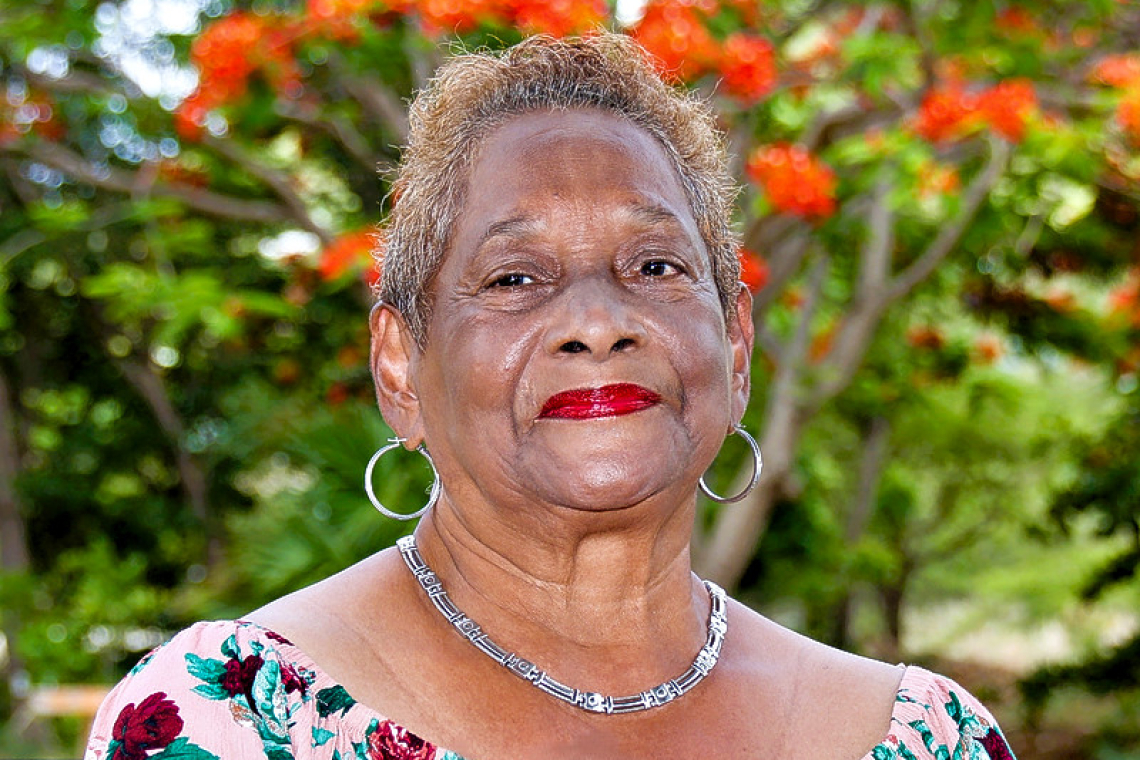
Esther Narcisco-Williams understood the importance of keeping those traditions alive. Through her work in arts and crafts, traditional clothing, cultural events and theatre, she devoted much of her life to ensuring that St. Maarten’s history and identity would not be forgotten.
Following her passing, the island has lost one of its dedicated cultural advocates, but the work she championed remains part of the island’s heritage. Her contribution was not simply about producing crafts or organising events. It was about creating opportunities for people to reconnect with their roots, appreciate local talent and recognise the value of the traditions that make St. Maarten unique.
Narcisco-Williams was the president and driving force behind Our Creations, St. Maarten Arts and Crafts Foundation, an organisation established to promote local arts and crafts while safeguarding the island’s cultural identity.
The foundation recognised that arts and crafts offer a way of understanding a people’s history, skills, creativity and values. Its work involved researching and documenting aspects of St. Maarten’s heritage and turning that knowledge into tangible creations that residents and visitors could see, appreciate and enjoy.
One of the organisation’s central aims was to pass on the knowledge of ancestors, raise awareness of traditional clothing and customs, and encourage people to make use of these traditions, particularly during cultural celebrations and special events.
Its activities were intended to involve people of all ages, including visitors, and to give local creative talent a platform. Through annual events, designers, seamstresses and models were able to showcase their work and compete for prizes, while members of the public had opportunities to learn more about local arts and traditions.
Among the foundation’s yearly activities were the Creative Paper Apparel Competition in February, the Cultural Tea Party in July around Emancipation Day, and the Smaatn National Cultural Parade for St. Martin Day. The organisation also hosted arts and crafts fairs, courses and workshops.
These activities helped bring culture into public spaces and gave local artisans and creative people opportunities to share their skills. They also reflected Narcisco-Williams’ belief that cultural preservation should involve active participation rather than simply remembering how things were done in the past.
One of the foundation’s most significant projects was the Titah Frock, a statuette created to represent St. Maarten’s history and cultural clothing traditions.
Made from Plaster of Paris and hand-painted by different local artists, including members of the foundation’s board, the statuette brought together the creativity of local artists and a story rooted in the island’s past. Its official launch took place on July 15, 2021, in the presence of then Minister of Education, Culture, Youth and Sport (ECYS) Rodolphe Samuel, the then Culture Department Director Clara Reyes, UNESCO St. Maarten Secretary General Marcellia Henry and invited guests.
The name Titah has a special cultural connection. It is the name little children would use for their sister when they were unable to pronounce the word sister.
The frock itself draws inspiration from the patchwork clothing that was once made from leftover pieces of fabric. In earlier times, people who sewed clothing for wealthy families would save the scraps from the garments they made. Those pieces of fabric were then used to create patchwork frocks for themselves.
Although made from leftover material, these frocks became something to admire. The Titah Frock project brought attention to that tradition, with its floral prints representing St. Maarten’s cultural wear. The design was registered with the Bureau for Intellectual Property.
The project was also intended to create opportunities for others to become involved in cultural preservation. The foundation planned to involve creative senior citizens, who would be able to earn a stipend by painting the Titah Frock statuettes. It also wanted to encourage young people to participate.
That vision reflected an important part of Narcisco-Williams’ approach to culture: preserving traditions while making room for new generations to learn, create and contribute. It was not enough for traditional knowledge to remain with those who already possessed it. It needed to be shared so that younger people could understand its value and carry it forward.
The foundation also sought to support the local creative economy by promoting products made on the island. Its St. Maarten Crafters Creations evenings gave residents opportunities to purchase handmade gifts, arts and crafts, as well as traditional local treats such as coconut tarts, sweet potato pudding and sugar cakes.
These gatherings also brought cultural entertainment into the experience. Past events featured the Joyful Ringers Bell Choir, other carolling groups, the Bottleneck Blowing Stars and cultural dance groups. Visitors could enjoy the entertainment, purchase locally made products and dine at restaurants on the premises.
Such activities connected different aspects of St. Maarten’s culture. The crafts, food, music and dance were not treated as separate elements, but as parts of a shared heritage that could be celebrated together.
Narcisco-Williams’ contribution to the arts also extended to theatre. A playwright and theatrical producer, she used performances to bring stories to life and create opportunities for local actors, dancers and musicians.
Drawing on her faith and love of community, she directed productions including The Rise and Fall of King Solomon. Her work brought together performers with different talents and experiences, encouraging artistic collaboration while giving local stories a place on stage.
Narcisco-Williams was also an active member of the Cole Bay Theatre Company. Her contribution to theatre was recognised when she received a Sage Cultural Award during the ceremony on December 29, 2023, at which members of the group were individually honoured.
Her work across arts, crafts and theatre demonstrated the many ways in which culture can be preserved. It can be found in an old-fashioned garment recreated by a local artist, a handmade item inspired by ancestral knowledge, a traditional food shared at a community event, or a story brought to life through a theatrical performance.
Education, Culture, Youth and Sport Minister Melissa Gumbs also recognised the importance of Narcisco-Williams’ contribution to the island. In expressing her condolences in a press release issued earlier, the Minister highlighted the way she made cultural heritage something people could see, touch and cherish.
She said Esther understood something very important: Our culture is not just something we remember; it is something we create, share, and pass on. Through Lulu’s Dolls, the beautiful Titah Frock and her tireless support of local artisans, she brought our heritage to life in ways that people could see, touch, and cherish. She was passionate about what she did, and our country is richer because of it. My heartfelt condolences go out to her family, friends, and the entire cultural community. Her work will continue to tell our story for generations to come.
A “singspiration” night had been planned to celebrate the life of Narcisco-Williams for Sunday, November 8, at the Methodist Church in Philipsburg. This was unfortunately postponed until further notice due to inclement weather.
As St. Maarten gets ready to celebrate Saint Martin-Sint Maarten Day and the traditions, history and identity that bind its people, the passing of Narcisco-Williams provides an opportunity to reflect on the importance of those who work to protect the island’s cultural heritage.
The work of Narcisco-Williams and her Our Creations group was rooted in the understanding that traditions can disappear if they are not practised, documented and passed on. Through its projects and activities, the foundation sought to give local culture a visible place in everyday life and encourage residents, particularly younger generations, to take pride in their heritage.
Esther Narcisco-Williams devoted herself to that purpose. Her legacy can be seen in the traditions she helped bring to the forefront, the local artisans she supported, the creative opportunities she helped establish and the stories she helped bring to the stage.
Her work leaves an important message for the generations that follow: St. Maarten’s culture is not only something inherited from the past. It is something each generation has a responsibility to value, celebrate and pass on.