





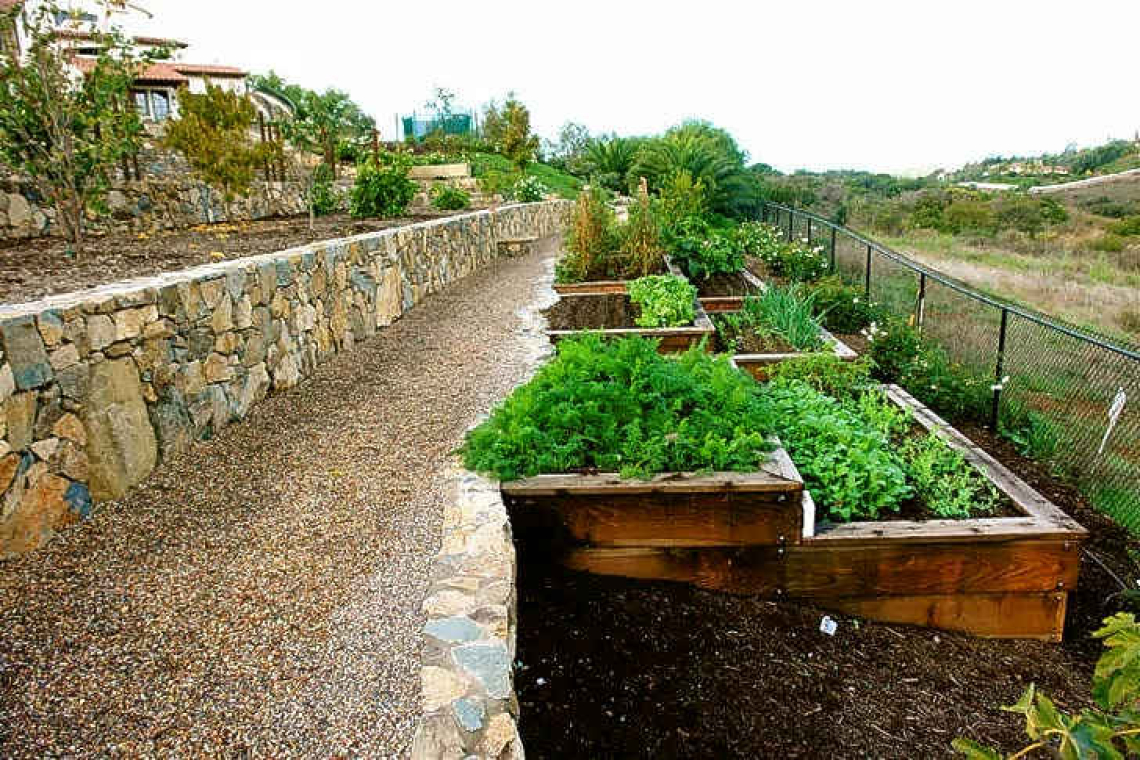
Whatever amount of outdoor space you have, you want to make the most of it. For most people, land is not flat, and oftentimes erosion becomes a problem on slopes. That nice topsoil can wear away, making it difficult to stabilise the ground, difficult for plants to grow, and possibly causing structural damage.
Causes of erosion can include wind, water run-off, construction, foot traffic, landscaping, and lack of vegetation. The likely causes of erosion, along with soil type, steepness, and budget, will determine which options are worth considering.
HERE ARE A FEW WAYS TO PREVENT SLOPE EROSION
Plant ground cover
Planting grasses/ground cover stabilises the ground, with their dense root systems holding soil together. Ground cover suitable for the climate/ native ground cover will always be a better option due to requiring less maintenance.
Plant shrubs or trees
On a similar note, planting shrubs and trees will hold soil in place because of their deep root systems. They also stabilise the soil by reducing the impact of rainfall on the soil.
Use mulch
Adding mulch seems simple, but it is effective in counteracting slope erosion, because it reduces the impact of rainfall by acting as a barrier. This minimises soil displacement and compaction. Mulch also slows down water runoff, and helps to keep soil moist which can benefit plant roots.
Use erosion control blankets
These blankets can be laid on the soil (similarly to mulch) and act as a barrier to reduce the impact of rainfall. They can be synthetic, or made with biodegradable materials like jute, straw, or coconut fibre.
Create terraces
Creating terraces transforms a slope into a series of levels that will slow the water flow and allow water to seep into the soil rather than running off. This stabilises the soil, and can also allow more water to be used by plants.
Redirect water flow
Creating water diversions by means of channels or swales can save vulnerable areas from excessive water by guiding it along. Swales, which are vegetated, also absorb some of the run-off.
Install a French drain
A French drain is designed to redirect rainwater and (groundwater) from vulnerable areas, preventing overly saturated soil and erosion. A perforated pipe guides water away from the vulnerable area. This is encased in a trench that is filled with gravel (the gravel acts as a filter).
Use rain barrels
Collecting rainwater from the rooftop in barrels captures some of the water that would have been run-off, flowing over the slopes. This can of course be used for irrigation.
Build a retaining wall
If you live on a hill, you may not even have been able to start building a home without first building a retaining wall. These strong structures hold back and stabilise soil. Keep in mind that smaller retaining walls can also be built on the land in order to create additional flat spaces, making more land usable. Note that proper drainage behind the wall is needed to prevent excess pressure from water build-up.