





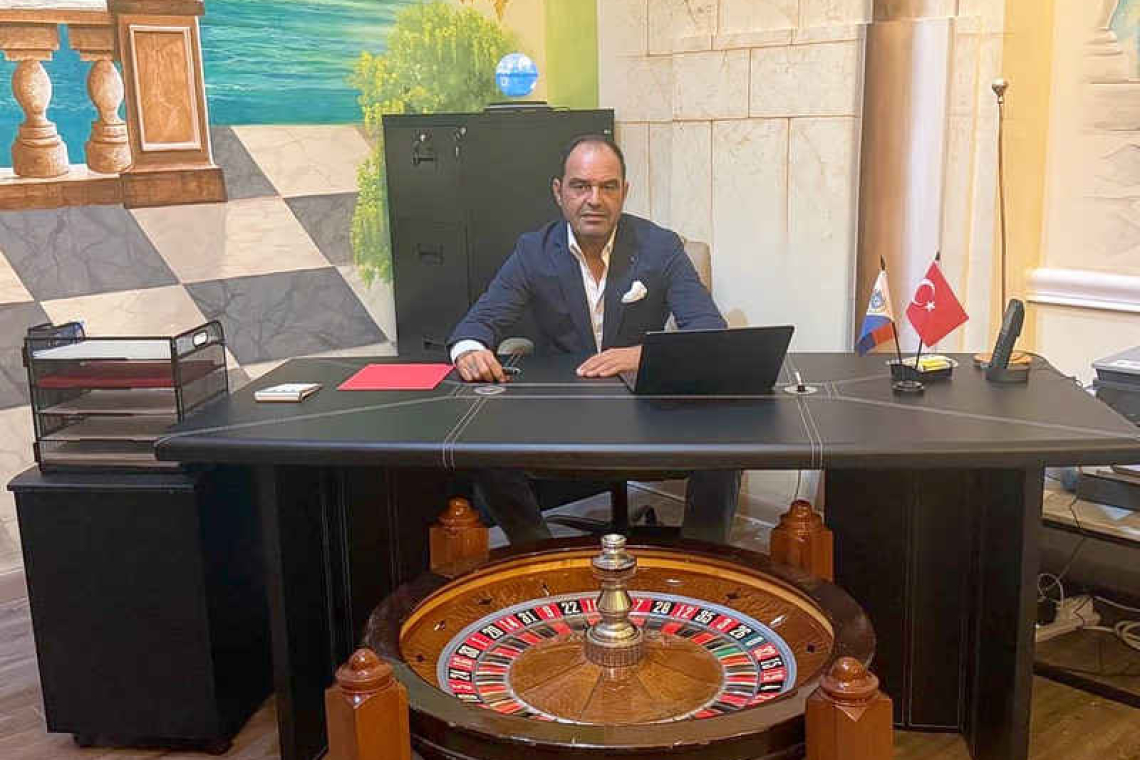
By Murat Turkmenoğlu, PR Director
In some places, almost everything in hospitality now happens without a conversation. A room key appears on a phone, food is ordered from a screen and an app answers questions before a guest has to ask. Travel has become faster and easier. That is progress. Still, in the rush to remove every delay, we should not remove the very thing that gives hospitality its meaning – people.
This is where the Caribbean still has something special. We may not always have the largest hotels, the newest systems or the entertainment budgets of major international destinations. What we do have is personality – something far more difficult to buy, build or program. As travel becomes increasingly automated, a genuine human connection may become more valuable, not less.
People travel to see beaches and unfamiliar cultures, but the stories they bring home are often about people – the taxi driver who made the family laugh, the restaurant owner who stopped at their table, or the bartender who remembered a favourite drink. Perhaps someone suggested a quiet beach that was not in the guidebook. These exchanges seem small at the time. Often, they become the memory that lasts.
Caribbean hospitality has always had a personal quality. That does not mean lowering professional standards. It means allowing service to feel human. A visitor arrives as a stranger; after a few visits, someone knows their name or remembers where they prefer to sit. Eventually, that visitor begins to feel like a regular.
That matters greatly in St. Maarten, where many visitors return year after year, some for decades. Our weather, beaches, restaurants, marinas, shopping and nightlife certainly draw people back. Yet few people form a 20-year relationship with a destination because of sunshine alone. They return because somewhere along the way, the island became familiar, and because people here made them feel that they belonged
Technology should support that relationship, not replace it. Mobile check-in, online reservations and artificial intelligence can remove needless frustration. If a tool makes a guest’s journey easier, we should use it. But efficiency and hospitality are not the same thing.
After a long flight, a traveller could scan a passport at a machine, receive a digital key and reach the room without speaking to anyone. The process would be efficient, but probably forgettable. A sincere smile and a simple “Welcome to St. Maarten” take only seconds. Suddenly, the traveller has arrived somewhere rather than merely completed a transaction. That small difference matters.
Our people are part of the destination just as surely as the beaches in our advertising. Taxi drivers, receptionists, waiters, bartenders, tour guides and beach attendants all shape a visitor’s impression. Guests do not divide those encounters into separate industries. To them, they are all St. Maarten. Every interaction can strengthen the experience, or weaken it.
Warmth alone is not enough. Employees need training, businesses need standards and service must be dependable. A friendly smile does not excuse a 40-minute wait for something that should take five. Strong hospitality combines professional service with genuine warmth and enough flexibility to treat a guest like an individual. Today’s travellers compare destinations and share opinions instantly. Island charm will not make poor service acceptable.
Memorable hospitality rarely requires an expensive gesture. It may mean finding transportation for someone in the rain, taking a family photograph, recognizing a couple from the previous year, or offering an honest recommendation that does not benefit your business. Such moments do not appear on a financial report, but they create trust. Loyal visitors return, recommend the island and bring others with them.
Competition for travellers will only grow. Beautiful beaches and excellent hotels can be found in many places, so the Caribbean cannot depend on scenery alone. Our advantage also lives in our culture, music, food, humour and diversity, especially in the way we connect with people. St. Maarten’s international character gives that connection a distinctive energy: Many backgrounds meet on one small island every day.
Years from now, a guest may forget the hotel room, the dinner they ordered or even the name of a beach. They will remember the person who made them laugh and the way the island made them feel. Technology will keep changing hospitality, and much of that change deserves a welcome. But a smile, a conversation, a remembered name and the ability to make a stranger feel at home should never become old-fashioned. Caribbean hospitality has always understood that.
The world still wants it – perhaps now more than ever.