




Why solar is becoming a smart investment for St. Maarten
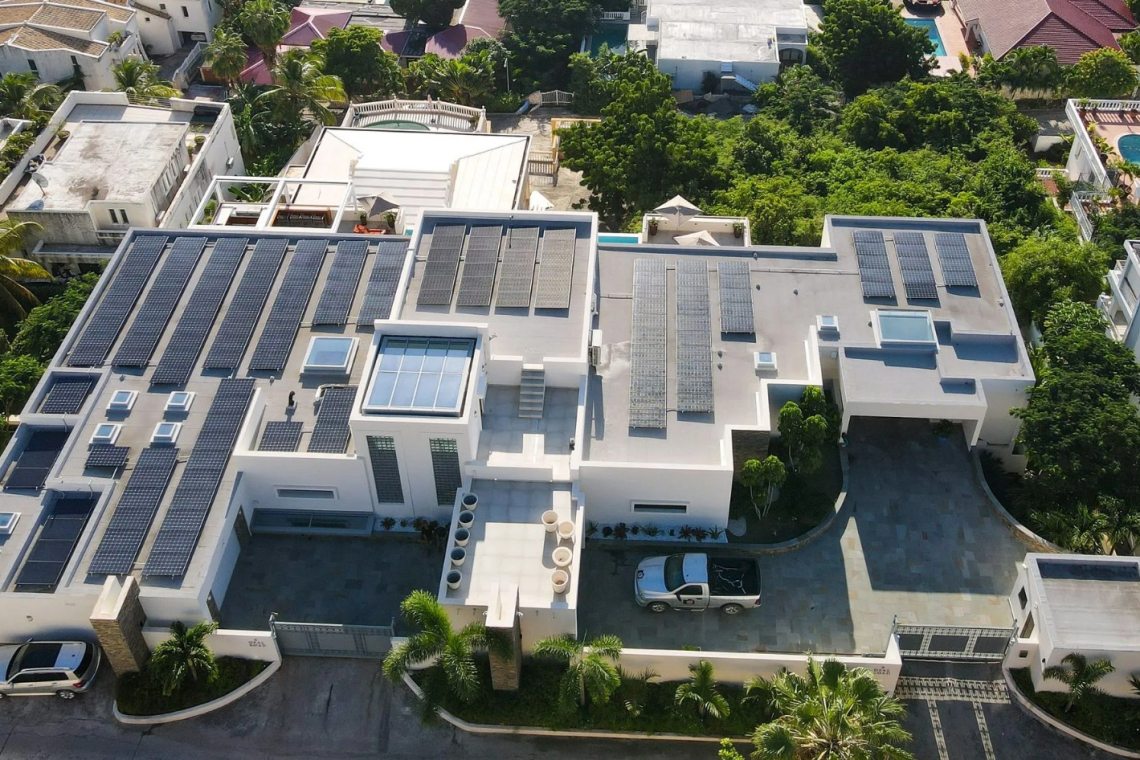
St. Maarten is blessed with something that many places around the world would pay dearly to have: Abundant sunshine. For much of the year, the Caribbean sun shines brightly over our homes, businesses and communities. That natural resource presents an important opportunity for St. Maarten to produce more of its own electricity, reduce energy costs and build a more resilient energy future.
Solar power is no longer a technology reserved for large companies or wealthy homeowners. Solar panels are becoming increasingly accessible to households, businesses and community facilities. For St. Maarten, where electricity generation depends heavily on expensive imported fuel, expanding the use of solar energy could bring significant benefits.
There are two main approaches that property owners can consider – an on-grid solar system or a hybrid solar system. An on-grid system is connected directly to the island's electricity grid. Solar panels generate electricity during daylight hours, allowing the property to use solar energy instead of purchasing as much electricity from the grid.
One of the biggest attractions of an on-grid system is its relative simplicity. There is no need for a large battery bank because the electricity grid remains available when the sun is not shining. At night, or during periods when solar production is insufficient, the property can draw electricity from the grid. For homeowners and businesses looking to reduce their monthly electricity expenses, an on-grid system can therefore be an attractive option. The amount of money saved will depend on the size and performance of the system, the property's electricity consumption and the applicable electricity rates and policies.
During the day, solar panels can supply electricity to the property while also charging the batteries. Later, when the sun goes down, stored electricity can be used instead of immediately relying on the grid. A properly designed hybrid system can therefore allow a household or business to make greater use of the solar energy it produces. For St. Maarten, battery storage has an additional appeal: Resilience.
Anyone, who has experienced a major storm or hurricane, knows how disruptive a power outage can be. Electricity is essential for refrigeration, communications, lighting, medical equipment, water systems and many other everyday needs. Depending on the system design, a hybrid solar installation with battery backup can keep selected essential appliances and circuits operating when the grid is unavailable.
Solar panels alone should not automatically be considered backup power. A typical on-grid solar system is designed to shut down when the grid goes down for safety reasons. Battery storage and the appropriate backup equipment are required if a property is intended to continue receiving power during a grid outage.
This distinction is important for residents considering an investment in solar. The cheapest system is not necessarily the system that provides the greatest value. Property owners should first decide what they want solar to accomplish – lower electricity bills, greater energy independence, backup power, or a combination of these goals.
Generating more electricity from sunlight can reduce the amount of imported fuel required for electricity generation. That can help keep more energy spending within the local economy and reduce exposure to fluctuations in international fuel prices.
Solar energy can also contribute to reducing emissions associated with conventional electricity generation. While solar panels require energy and resources to manufacture and transport, they generate electricity without burning fuel at the point of generation.
Another potential benefit is greater diversification of the island's energy supply. Instead of relying almost entirely on conventional generation, electricity can increasingly come from many individual solar installations distributed across St. Maarten. Homes, hotels, restaurants, offices, schools and other buildings can all become small generators of renewable electricity.
Hurricane resilience is another consideration. Solar equipment installed in St. Maarten must be designed and secured appropriately for local weather conditions. Property owners should ask installers about mounting systems, wind ratings, warranties, maintenance and insurance before making an investment. Ultimately, solar power is not about eliminating the electricity grid but working alongside the grid to create a more flexible energy system. On-grid solar can help reduce electricity purchases during sunny periods, while hybrid systems can add energy storage and backup capabilities.
For St. Maarten, the opportunity is particularly compelling. We have a plentiful renewable resource overhead every day. The challenge is turning that sunshine into reliable, affordable and responsibly managed electricity. As energy costs and technology evolve, solar is becoming an increasingly attractive investment for St. Maarten property owners.
Depending on the property and system configuration, a well-designed solar installation can potentially achieve a 3-5 ROI, while equipment can have a technical lifespan of approximately 15-20 years. After the initial investment is recovered, the system can continue generating electricity and savings for many years, making solar an investment in energy choice, resilience and a cleaner future for the island.
Interested in finding out whether solar makes financial sense for your property? Start with a conversation. You do not need to be a technical expert. Hans de Bruijne is available to discuss your needs and explain the options. Visit www.LVT.sx; send an email to This email address is being protected from spambots. You need JavaScript enabled to view it.; or call Hans directly at +1 (721) 586-9124 or +590 690 88 66 71 for a free consultation.