





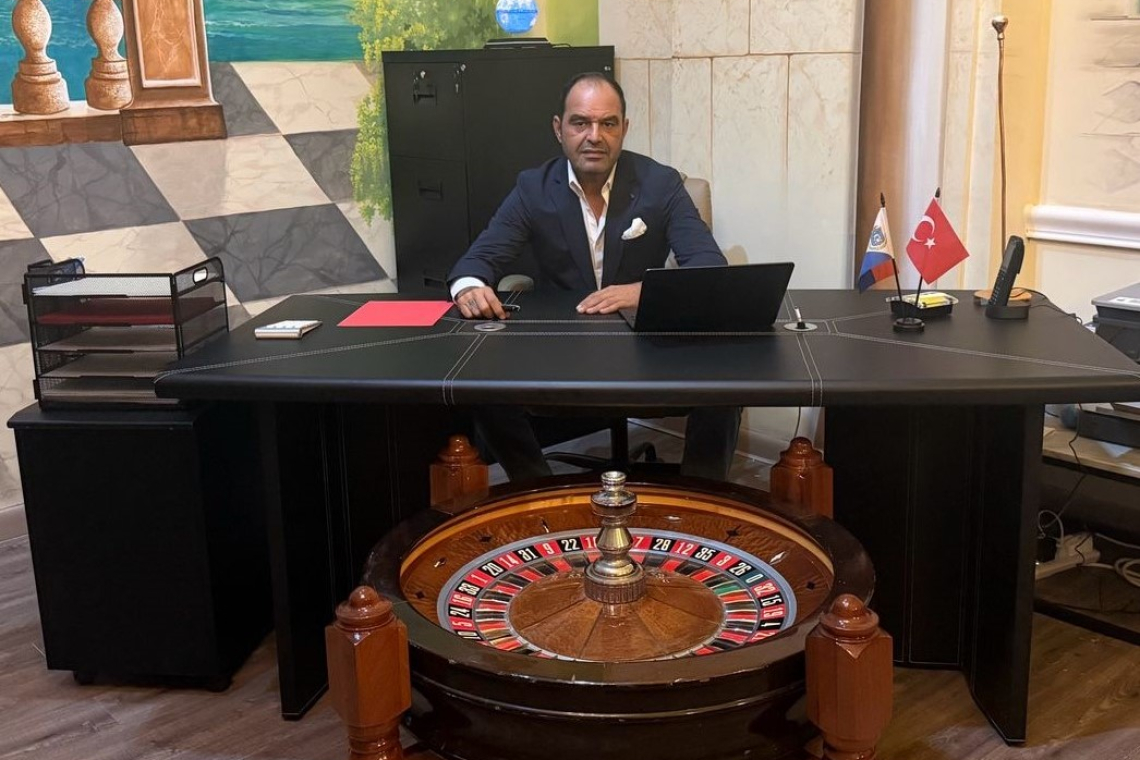
By Murat Turkmenoğlu, PR Director
When we talk about hospitality, we often talk about service. Was the food good? Was the room clean? Did the waiter arrive on time? Was the check-in process easy? Did someone answer the phone quickly? All of these things matter – of course, they do – but I believe hospitality goes much further than good service.
Service is what we do. Hospitality is how we make people feel. There is a difference between the two – and sometimes, it is a very big difference.
A restaurant can serve excellent food and still leave a guest disappointed. A beautiful hotel can have an impressive lobby and expensive rooms, but still feel cold. An entertainment venue can spend millions on design, technology and equipment, yet somehow fail to create an atmosphere that makes people want to return.
On the other hand, we have all visited places that were not perfect, but we remember them with a smile. Why? Usually because of people: Someone welcomed us warmly. A waiter remembered what we liked. A receptionist helped us when they didn’t have to. A bartender remembered our name. An employee noticed that something was wrong and solved the problem before we even had to ask. These are small moments. But hospitality is built on small moments.
The guest sees things differently
Working in hospitality can sometimes make us look at our businesses from the inside out. We think about schedules, staffing, cost, maintenance, marketing, reservations and hundreds of other details. The guest sees none of that – the guest sees an experience. Guests don’t know that three employees called in sick that morning. They don’t know that a delivery arrived late or that a computer system caused problems. They simply know how they were treated.
That is why the smallest interaction can become extremely important. The person at the entrance may spend only 20 seconds with a guest, but those 20 seconds can create the first impression of the entire business. A smile costs nothing. Eye contact costs nothing. Saying “Welcome” costs nothing. Yet these simple actions can sometimes be more powerful than an expensive advertising campaign.
Hospitality is especially important in the Caribbean
For a destination like St. Maarten, hospitality has an even greater meaning. Tourism is not simply one of the businesses on our island. It touches almost everything. A visitor may interact with immigration officers, taxi drivers, rental car employees, hotel staff, restaurant servers, shopkeepers, beach attendants, bartenders, tour operators and entertainment employees during a single vacation.
Every one of those interactions becomes part of that visitor’s opinion of St. Maarten. That means our tourism product is not only our beaches. It is not only our hotels. It is not only our restaurants, nightlife, shopping, casinos or marinas. Our people are part of the product. In fact, they may be the most important part. A beautiful beach can attract someone to St. Maarten for the first time. How they are treated can help determine whether they come back.
People remember how you made them feel
Think about your own travels. You may not remember exactly what you paid for dinner five years ago. You probably don’t remember the room number of the hotel where you stayed. But you may remember the waiter who made your family laugh. You may remember the taxi driver who gave you a recommendation for a small local restaurant. You may remember the receptionist who helped solve a problem when your flight was delayed. Those memories stay with us because they are personal. This is something technology cannot easily replace.
Technology is becoming increasingly important in hospitality. We have online reservations, mobile check-in, digital menus, artificial intelligence, automated customer service and personalized marketing. All of these tools can make businesses faster and more efficient. But efficiency and hospitality are not the same thing. A machine can complete a transaction. A person can create a connection. The best hospitality businesses of the future, in my opinion, will understand how to use both. Technology should make service easier so that employees have more opportunities to take care of people – not fewer.
We sometimes forget the regular guest
In tourism destinations, we naturally spend a lot of time thinking about visitors. But hospitality also applies to the people who live here. Local customers are extremely important to restaurants, hotels, entertainment venues and many other businesses, particularly outside the busiest tourism periods.
Sometimes, businesses work so hard to impress a first-time visitor that they forget the person who has walked through the door 50 times. That regular customer should not become invisible simply because we recognize their face. Actually, the opposite should happen. The more often someone visits us, the better we should know them. Remembering a name, a favourite table, a preferred drink or simply asking, “How have you been?” creates a sense of belonging – and belonging creates loyalty.
Hospitality cannot be written only in a manual
Training is important. Standards are important. Every hospitality business should have clear expectations about how guests are treated. But genuine hospitality cannot come entirely from a manual. You cannot write a procedure for every human interaction. Sometimes, an employee has to recognize a moment and make a decision.
A family may need extra help. A guest may be celebrating something special. Someone may simply be having a bad day. The employee who notices these moments can change the entire experience. This is why hospitality is not only about teaching people what to do. It is also about creating a culture where people understand why they are doing it.
Every guest is also a messenger
There is another reason hospitality matters more today than ever before. Every guest now has an audience. Years ago, someone who had a bad experience might tell a few friends. Today, they can tell thousands of people within minutes. The same is true for a great experience. People post photographs. They write reviews. They make videos. They recommend places to friends and family. In many ways, our guests have become part of our marketing. And the most powerful recommendation is still surprisingly simple: “You should go there. They treated us wonderfully.” You cannot buy that sentence. You have to earn it.
The real meaning of hospitality
Buildings will change. Technology will change. Restaurants will change. Hotels will change. The way people travel will change. But I don’t think the basic meaning of hospitality will change very much. People want to feel welcome. They want to feel respected. They want to feel that their presence matters. For St. Maarten, that should be one of our greatest strengths.
We already have the sunshine, the beaches, the restaurants, the marinas and the natural beauty people travel thousands of miles to experience. But perhaps the most valuable thing we can offer cannot be photographed for a brochure. It is the feeling someone takes home with them – because good service can satisfy a guest; great hospitality can make them want to return.



