





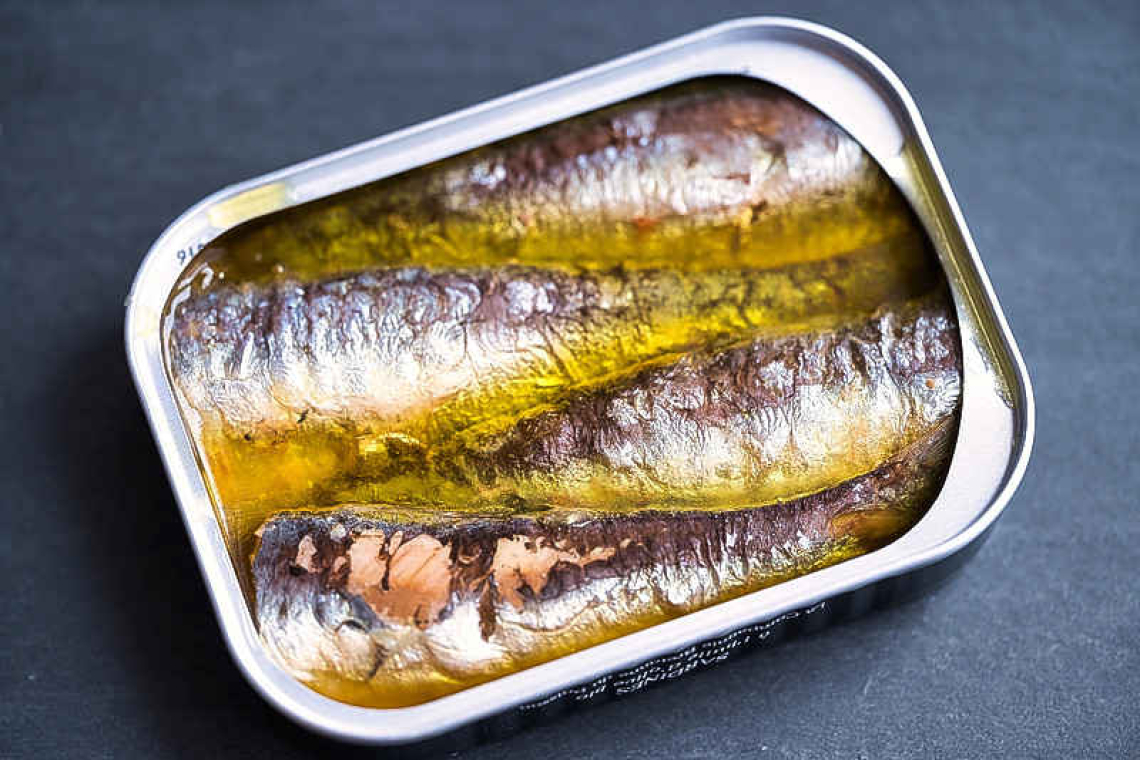
~ Should you be eating them? ~
Sardines may be one of the least glamorous foods having a nutritional comeback. Small, oily and inexpensive, they are packed with the omega-3 fatty acids EPA and DHA that make fatty fish such a valuable part of a healthy diet. The American Heart Association recommends eating fish, particularly fatty fish at least twice a week, and specifically lists sardines alongside salmon, herring, mackerel and trout as omega-3-rich choices.
But there is another reason sardines are getting attention: Mercury. Because sardines are small fish that are relatively low on the food chain, they accumulate very little mercury. The FDA classifies sardines as a “Best Choice” fish. Its data put average mercury concentration in sardines at about 0.01 µg/g, compared with 0.02 µg/g for fresh or frozen salmon.
Can you eat unlimited sardines?
Not really. “Low mercury” does not mean “eat unlimited amounts.” For most healthy adults, sardines can comfortably be part of the recommended two or more seafood meals per week, but there is no established benefit to eating unlimited quantities. The FDA recommends at least 8 ounces of seafood per week for a typical 2,000-calorie diet, while the AHA recommends two servings of fish per week.
There are also practical considerations. Some canned sardines are quite salty, and eating very large quantities can add substantial sodium and calories. Variety is a good strategy: Rotate sardines with salmon, herring, trout or mackerel rather than making one fish your sole source of seafood.
And interestingly, salmon isn’t a fish you need to avoid because of mercury. The FDA also places salmon in its “Best Choices” category. The bigger mercury concerns are with large, long-lived predatory fish such as swordfish, shark, king mackerel, marlin, orange roughy and bigeye tuna.
What if you hate the taste?
You don’t have to eat sardines straight from the tin. Try them mashed into tuna salad with lemon, Dijon mustard, Greek yogurt, celery and herbs. Mix a small amount into tomato sauce or pasta, where garlic, chili, capers and lemon can balance their stronger flavour. Sardines also work surprisingly well on toast with avocado, pickled onions and lemon, or flaked into a grain bowl with a sharp vinaigrette. If you’re new to them, start with milder sardines packed in olive oil and use them as an ingredient rather than the main event.
Is canned actually a problem?
Canned sardines aren’t nutritionally inferior simply because they’re canned. FDA guidance explicitly counts canned, frozen and fresh fish as seafood choices. The things worth checking are the ingredient list and sodium. Choose varieties with relatively few ingredients and compare labels for salt. If you’re concerned about can linings, FDA says approved uses of BPA in food packaging are currently considered safe based on its safety assessment, although packaging technology continues to evolve.
Want fresh instead? Look for these fish at the fish market. The best fresh alternatives to sardines are the following:
- Herring – oily, omega-3-rich and closely comparable nutritionally.
- Mackerel – one of the richest sources of marine omega-3s; choose Atlantic or chub mackerel rather than king mackerel, which is high in mercury.
- Fresh salmon – excellent source of EPA and DHA and classified by FDA as a Best Choice.
- Fresh trout – particularly a good option if available locally.
- Fresh sardines – if your market has them, these are the obvious winner.
The broader lesson is that you don’t need to chase a single “superfood.” Sardines are special because they combine omega-3s, protein, relatively low mercury and convenience. But a rotating menu of oily fish is arguably better than eating the same fish every day. So, perhaps the sardine’s new popularity is deserved. Just don’t think of them as a food you can eat without limits. Think of them as one of the easiest and most affordable ways to make those recommended weekly servings of fish count.
Sources: FDA fda.gov/food/consumers/advice-about-eating-fish; American Heart Association www.heart.org