





Protein for Health
When we think about eating for beauty, the conversation often turns to skincare products, supplements and expensive treatments. But healthy-looking skin, strong hair, nails and a fit-looking body also depend on what happens at the dinner table. Protein is one of the most important nutrients to consider because it provides amino acids – the building blocks the body uses to build and repair tissues.
The current U.S. Dietary Guidelines emphasize eating a variety of protein foods, including seafood, meat, poultry, eggs, beans, lentils, nuts, seeds and soy foods. For many adults, the current guidelines suggest a daily protein goal of approximately 1.2 to 1.6 grams per kilogram of body weight, although individual needs vary according to factors such as age, activity level and overall health.
Protein isn’t a magic beauty treatment, but getting enough of it supports the normal maintenance and repair of the body. This matters for hair and skin as well as muscles. The American Academy of Dermatology notes that inadequate protein intake can contribute to hair loss, while nutritional deficiencies more broadly can affect skin and hair health. The goal, therefore, isn’t simply to eat as much protein as possible. It is to consistently choose nutrient-dense sources and combine them with vegetables, fruit, whole grains and healthy fats.
The meat counter can be confusing, but a few simple rules make shopping easier. Start by looking for lean cuts. For beef, cuts with names such as sirloin, tenderloin and round are generally good choices. Eye of round, for example, is particularly lean. When buying ground beef, look for a higher lean percentage, such as 90% or 93% lean, rather than choosing based solely on price. The USDA defines “lean” and “extra lean” according to specific limits for total fat, saturated fat and cholesterol.
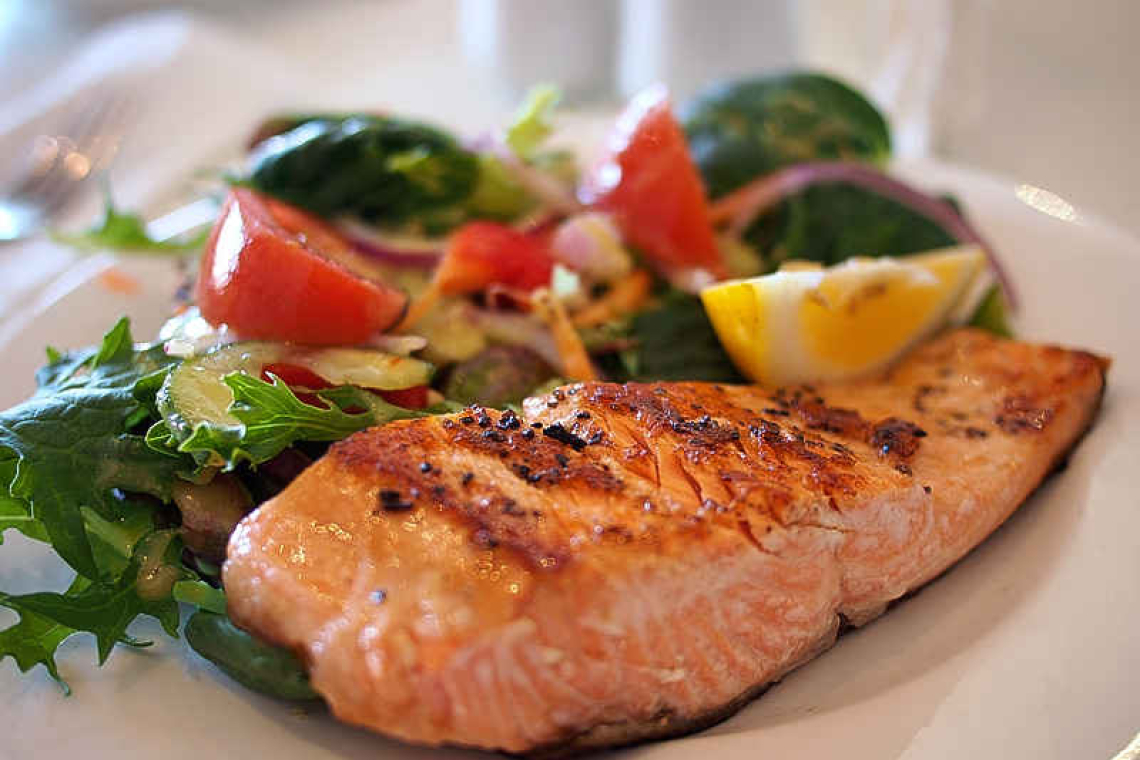
With chicken and turkey, skinless options are an easy way to reduce saturated fat. Pork tenderloin and loin are also relatively lean choices. Seafood deserves a regular place in the shopping basket because fish provides protein along with nutrients such as omega-3 fatty acids. Salmon, sardines and trout are particularly useful sources of these fats.
Don’t assume that the most expensive cut is the healthiest. USDA beef grades primarily reflect characteristics such as marbling and tenderness; Prime beef generally has more fat, while the protein and mineral content of beef is broadly similar across grades. A health-focused protein strategy should include variety. Eggs, Greek yogurt, cottage cheese, lentils, beans, tofu, tempeh, nuts and seeds can all contribute protein without relying on meat at every meal. Plant sources also provide fibre and other nutrients that meat doesn’t provide. Processed meats such as bacon, sausages and some deli meats are best treated as occasional foods rather than everyday protein staples because they can be high in sodium and saturated fat.
Creatine can be part of the protein-and-performance conversation, although it is not a protein. It is a naturally occurring compound involved in energy production in muscle. Meat and fish provide dietary creatine, and the body also produces it naturally. Recent research has proposed adult dietary reference values for creatine, although formal dietary reference intakes have not historically been established. For someone interested in muscle strength or exercise performance, creatine supplementation may be worth discussing with a healthcare professional. It should complement – not replace – a nutritious diet built around adequate protein and whole foods.
Ultimately, eating for health and beauty is less about finding one “perfect” food and more about building better meals. At the market, choose a lean protein; add colourful vegetables or fruit; include a source of healthy fat; and select a minimally processed carbohydrate when appropriate – and remember that food safety is part of healthy eating. Choose meat packages that are intact rather than torn or leaking; keep perishable foods cold; and cook meat to the appropriate internal temperature.
Protein may not be a beauty product in a bottle, but it is a fundamental part of the body’s maintenance system. Choosing quality protein foods and eating a varied diet around them is a practical investment in strength, health and the foundations of healthy-looking skin and hair.
Helpful resources: foodbuyingguide.fns.usda.gov/FoodComponents/ResourceMeat ~ sis.usda.gov/food-safety/safe-food-handling-and-preparation ~ foodbuyingguide.fns.usda.gov/FoodComponents/ResourceMeat