





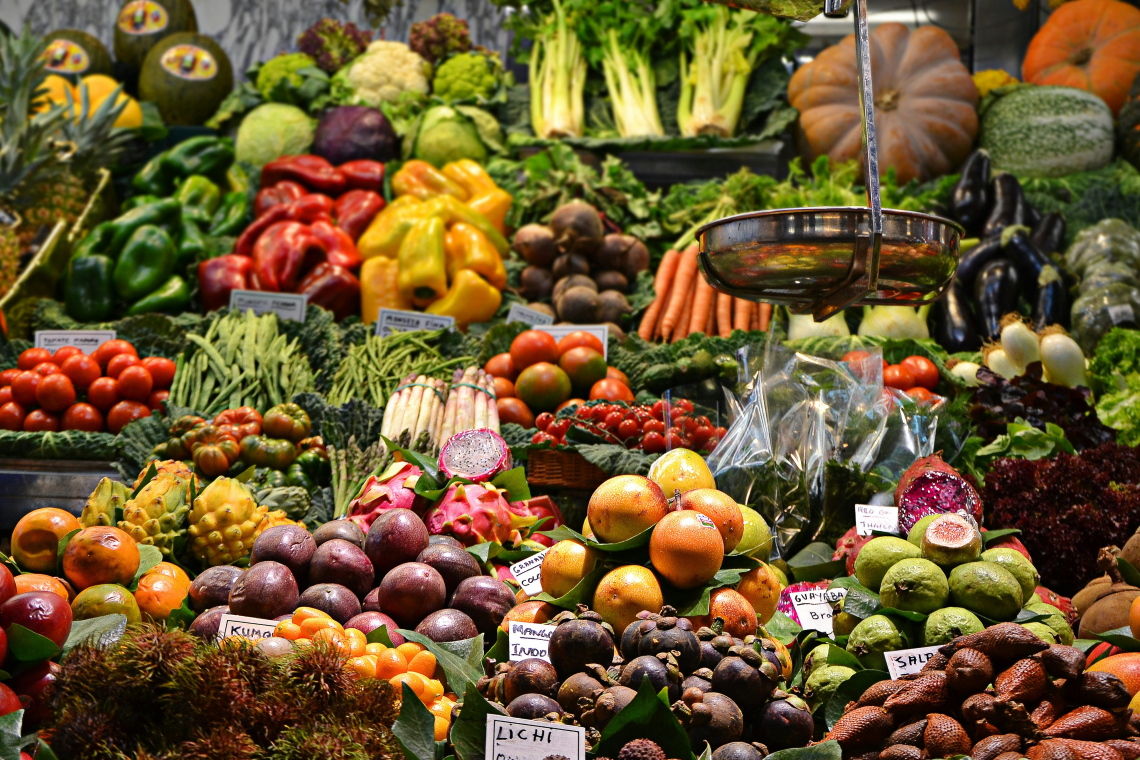
Variety matters for your gut and overall health.
When it comes to healthy eating, it’s not just about eating more fruits and vegetables, it’s about eating a wide variety of them. While it’s easy to stick to the same favourites every week, our bodies and our gut microbiome thrive on diversity. The gut is home to trillions of beneficial bacteria that play a vital role in digestion, immunity, metabolism and even mental wellbeing.
Different fruits and vegetables contain different fibres, vitamins, minerals and plant compounds (known as phytochemicals), each feeding different types of beneficial gut bacteria. The more varied your diet, the more diverse your gut microbiome becomes and a diverse microbiome is linked to better overall health and a stronger immune system.
Living in the Caribbean gives us access to an incredible range of fresh, nutrient-rich produce, much of it grown locally with minimal processing and often fewer agricultural inputs than imported foods. Making the most of seasonal, locally grown fruits and vegetables not only supports local farmers but also provides exceptional nutritional value.
Leafy greens such as callaloo are packed with iron, calcium, folate and vitamins A and C. Moringa, often called the miracle tree, is rich in antioxidants, vitamin C, calcium and plant protein, making its leaves a nutritious addition to soups, stews and smoothies.
Tropical fruits also deserve a regular place on your plate. Papaya contains digestive enzymes that support healthy digestion, while its fibre helps nourish beneficial gut bacteria. Passion fruit is an excellent source of fibre, vitamin C and antioxidants, and even its leaves have long been used in traditional Caribbean herbal teas. Fresh coconut provides healthy fats, while coconut water offers natural hydration and electrolytes.
Traditional Caribbean staples such as breadfruit, cassava, yam, sweet potato and plantain are rich in complex carbohydrates and resistant starches that help feed beneficial bacteria in the colon. These foods provide sustained energy while supporting digestive health and helping you feel fuller for longer.
Aim to “eat the rainbow” throughout the week. Bright orange pumpkin, green callaloo, red tomatoes, purple eggplant, yellow mangoes and vibrant berries each offer unique nutrients that work together to protect your cells, reduce inflammation and support heart health.
Nutrition experts often recommend aiming for around 30 different plant foods each week. This includes fruits, vegetables, herbs, beans, peas, nuts, seeds and whole grains. While that number may sound high, it quickly adds up when you include herbs like thyme and parsley, legumes such as pigeon peas, and a variety of seasonal fruits and vegetables.
Simple changes can make a big difference. Rotate the vegetables you buy each week, try a fruit you’ve never tasted before, add herbs generously to meals, and choose local produce whenever possible. Caribbean markets are filled with colourful, nutrient-dense foods that have nourished generations.
Good health doesn’t come from a single “superfood;” it comes from enjoying a colourful variety of whole foods, prepared simply and eaten regularly. By embracing the abundance of Caribbean fruits and vegetables, you’re feeding not only yourself but also the trillions of beneficial microbes that help keep your digestive system, immune system and overall health in balance.
Resources: nutritionsource.hsph.harvard.edu/what-should-you-eat/vegetables-and-fruits ~ who.int/news-room/fact-sheets/detail/healthy-diet ~ cardi.org