





Colin Michie and Pawel Serafin
As athletes, or perhaps recreational performers, we all ache to improve our competitive edges. Becoming faster, stronger, more controlled, enhancing increasing our physical power, looksmaxxing too. What is your drive – speed, force, muscle shape, mastering a skill?
At the Enhanced games held a week ago in Las Vegas, 42 competitors were permitted to use various drugs (and illegal polyurethane swimsuits) in a bid to improve their performances. Some of their drug treatments were off-label “vanity market” specials. This event was labelled “dangerous” by world athletics and anti-doping agencies, but it taught us something practical – despite all those extras, only one world record was broken.
The 50-metre freestyle swimming was won by a Greek swimmer Kristian Gkolomeev. He was 0.07 seconds faster than the Olympic record for this distance at a registered competition. Several clean athletes at the Enhanced games won their events. Across the Atlantic, the fastest marathon was recorded in London by a clean athlete. Perhaps drug enhancements are not yet quite as useful as some suggest.
We cannot access those Las Vegas spices – some of which are novel injectable peptides. It would be useful to see these tested formally, because alone, or in combination, they might offer new evidence to support musculoskeletal management. History – and the World Anti-Doping Agency – suggest caution with performance enhancers. The risks for example with strychnine, cocaine, anabolic steroids, erythropoeitin or testosterone have been publicised, but we should consider creatine, an agent that has had careful evaluation.
Creatine plays a central role in our metabolic traffic control; it is found in almost all of cells. It helps move energy from the factories of mitochondria, or glucose breakdown, for example to muscle fibres or molecular pumps where it is used. In sperm, creatine is critical to ensure the sperm tail or flagellum moves the sperm forwards. Our largest need to move energy – and sometimes move it quickly too – is in our muscles, where over 90% of creatine is found. Smaller amounts of creatine are found in cardiac muscle and the brain too.
Most of us burn up 2-4 grams of creatine a day (5 grams is roughly a teaspoon of sugar). More creatine is needed if you are exercising actively or regularly. About half of our creatine is usually made in the liver, kidneys and pancreas from dietary amino acids. The rest usually comes directly from creatine in meat and fish, with small amounts in eggs and dairy. Those taking a diet without these make all their creatine. Some individuals with compromised diets can have shortage of creatine that prevents their muscles functioning optimally.
About 30 years ago, it was shown that creatine supplements increased levels in the muscles. Bigger creatine pools improved muscle performance, strength and power at all ages. It increased muscle mass and size in athletes in training. Supplements became increasingly popular in many gyms and training centres. Benefits have not been reported by everyone for two reasons: First, creatine works best in those using muscles actively, particularly for sprinting or power delivery, because it improves energy shunting; and second, some have genetic variants in their metabolisms that mean its effects are smaller.
Muscle pools of creatine will run down after several weeks if supplements are not continued. Creatine is a valuable ergogenic aid in some patients – those with muscular dystrophies, metabolic disorders and perhaps infants with cerebral palsy, where it may work as a neuromodulator. It may have potential before surgery or rehabilitation. Benefits to mental states and cognition from creatine supplements have been suggested but are not supported by large clinical studies. However, increasing physical activities will definitely have positive impacts on our neurology!
Reviews carried out in many countries on different groups of athletes and patients are in agreement: creatine monohydrate – the most commonly used supplement – is “generally regarded as safe.” Worries raised in social media about side effects from creatine are not supported by this rigorous work. The “Creatine for Health” initiative was launched to reassure the public of the safety of this compound.
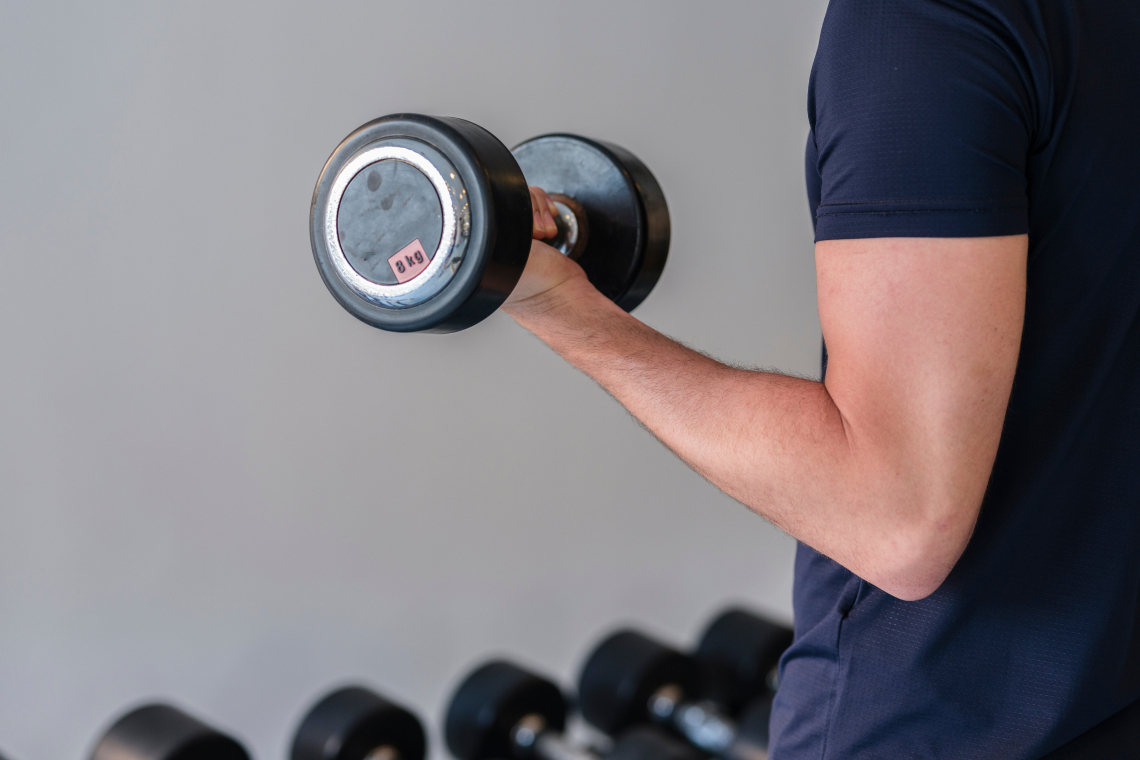
Muscles work during resistance training, including the squat and the press-up. Both these exercises are recommended for almost all of us because they promote health, without a gym! Creatine supplements can help increase repetitions and improve recovery after resistance training. For some elderly, particularly those with muscle wasting or frailty, this extra support can equate to allowing them to keep their independence, their mobility and their lifestyles with improved musculoskeletal health.
As populations age – including the island paradise of St. Maarten – creatine might become a safe and supportive supplement. Whatever our muscles age, those competitive edges will always be special and important to us.
By Dr. Colin Michie specializes in paediatrics, nutrition, and immunology. Michie has worked in the UK, southern Africa and Gaza as a paediatrician and educator and was the associate Academic Dean for the American University of the Caribbean Medical School in Sint Maarten a few years ago.
Useful resource: fda.gov › media › 143525GRAS Notice No GRN 931; Creatine Monohydrate